
Introduction
In 2026, hotel revenue management is more dynamic and technology-driven than ever. Modern hoteliers are no longer relying solely on intuition—they are leveraging smart tools and strategies to stay ahead in a competitive market.
Thanks for reading this blog!, Looking for professional help with your hotel listings?
👉 Sign up with SaasAro or call 75000-87037 today!
If you’d prefer to handle the listing yourself, keep reading and enjoy the complete blog below.
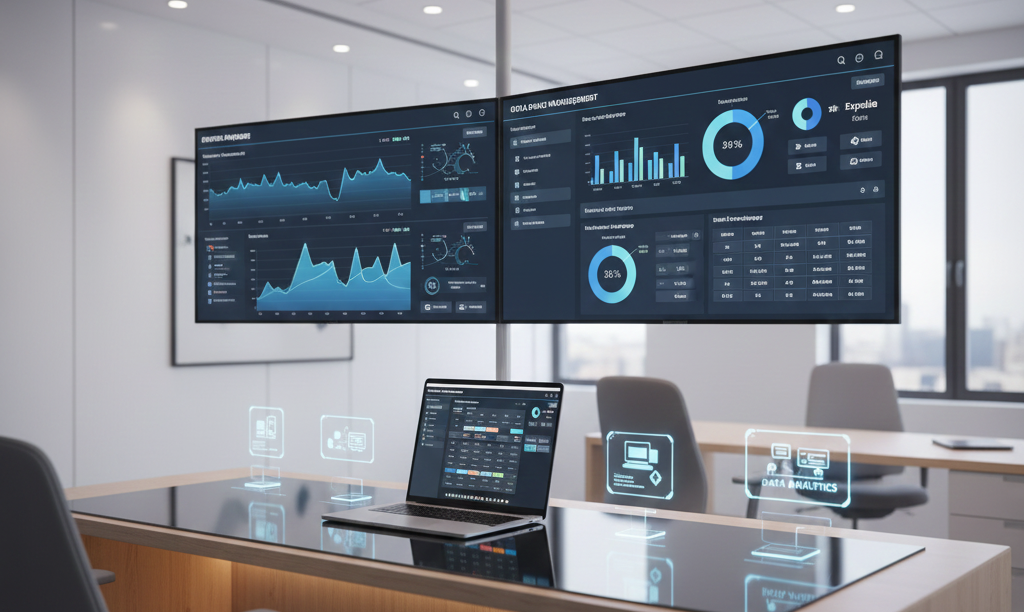
Using hotel pricing strategies 2026 and revenue optimization tools, hotels can adjust rates in real time, respond to market demand, and maximize revenue efficiently. Meanwhile, smart hotel technology—from automated booking systems to AI-powered insights—enables hotels to streamline operations and enhance guest experiences.
By combining these strategies and tools, hotels can increase bookings, optimize revenue, and ensure sustainable growth, making technology an essential partner for success in today’s hospitality landscape.
Key Trends in Hotel Revenue Management 2026
The hotel industry in 2026 is evolving rapidly, with technology driving smarter revenue decisions. Some of the key trends include:
-
Dynamic Pricing for Hotels: Modern hotels are using dynamic pricing to adjust room rates in real time based on demand, seasonality, and market trends. This ensures maximum revenue while staying competitive.
-
Seamless System Integration: Integrating your Property Management System (PMS) with a Channel Manager and Revenue Management System (RMS) allows smooth operations, reduces manual errors, and ensures consistent pricing across all distribution channels.
-
Data-Driven Decisions: Hotels are increasingly relying on real-time analytics to make informed decisions. From occupancy patterns to guest preferences, smart use of hotel data helps optimize pricing and marketing strategies.
-
Personalized Guest Experiences: Guest expectations are shaping revenue strategies. Offering personalized services, targeted packages, and tailored promotions not only enhances satisfaction but also drives higher bookings and loyalty.
By keeping up with these trends, hotels can stay competitive, boost revenue, and deliver memorable experiences in 2026 and beyond.
Essential Revenue Optimization Tools
To maximize revenue in 2026, hotels need the right set of tools to streamline operations and make smart pricing decisions. Key tools include:
-
Hotel Management Software: Centralizes all hotel operations—from reservations to billing—making day-to-day management easier and more efficient.
-
SaasAro Channel Manager & Integration: Simplifies OTA management by syncing room availability and rates across multiple booking platforms, preventing overbookings and ensuring consistent pricing.
-
Real-Time Inventory Update Tools: Automatically update room availability across all channels, so you never miss a booking opportunity.
-
Analytics Dashboards: Provide insights into occupancy trends, revenue forecasts, and performance metrics, helping hoteliers make data-driven decisions to boost profitability.
With these tools, hotels can optimize revenue, reduce errors, and improve guest satisfaction, all while saving time and effort.
Proven Hotel Pricing Strategies 2026
Staying competitive in 2026 means adopting smart pricing strategies that respond to market demand and guest behavior. Key strategies include:
-
Dynamic Pricing for Hotels: Adjust room rates in real time based on demand, local events, and market trends to maximize revenue.
-
Seasonal & Last-Minute Deals: Offer attractive pricing during low-demand periods or for last-minute bookings to boost occupancy without compromising profit.
-
Revenue Management System (RMS) Optimization: Use an RMS to set optimal rates across both OTAs and direct bookings, ensuring you capture maximum revenue from every channel.
-
Maintaining Rate Parity: Keep consistent pricing across all platforms as part of a hotel distribution strategy, building trust with guests and avoiding confusion.
By combining these strategies, hotels can increase bookings, improve revenue, and stay ahead in a competitive market.
Maximizing OTA Revenue Strategies
Online Travel Agencies (OTAs) are powerful tools to increase visibility and bookings—but hotels need smart strategies to make the most of them:
-
Leverage OTAs Without Losing Direct Bookings: Use OTAs to attract new guests while encouraging direct bookings through special perks or exclusive offers.
-
Channel Manager Integration: Sync your PMS and OTAs to prevent overbooking and ensure consistent room availability across all platforms.
-
Cross-Platform Promotions & Packages: Offer tailored deals and packages on different channels to boost occupancy during peak and low seasons.
-
Real-Time Updates: Keep your rates, availability, and promotions updated in real time to optimize revenue, reduce errors, and enhance the guest experience.
With these strategies, hotels can maximize OTA revenue, maintain smooth operations, and grow overall profitability.
Technology and Smart Hotel Tools
Smart technology is transforming how hotels operate and generate revenue. Here’s how:
-
Operational Efficiency with Smart Hotel Technology: Automate routine tasks, reduce errors, and save time, allowing staff to focus on delivering better guest experiences.
-
Automation Trifecta – PMS + RMS + Channel Manager: Combining your Property Management System (PMS), Revenue Management System (RMS), and Channel Manager creates a fully automated workflow—from bookings and pricing to inventory updates.
-
Hotel Data Analytics: Use real-time data to forecast demand, adjust pricing strategies, and plan promotions that maximize occupancy and revenue.
-
Benefits Across All Hotel Sizes: Whether you run a small boutique hotel, a mid-size property, or a large resort, smart tools help drive revenue growth, operational efficiency, and improved guest satisfaction.
With the right technology, hotels can work smarter, make better decisions, and boost revenue across the board.
Measuring Hotel Revenue Growth
Tracking performance is key to growing your hotel’s revenue. Here’s how to measure it effectively:
-
Key Performance Indicators (KPIs): Focus on metrics like RevPAR (Revenue Per Available Room), ADR (Average Daily Rate), and occupancy rate to understand how well your hotel is performing.
-
Monitor ROI on Technology and Marketing: Evaluate the returns on your investments in smart tools, PMS, RMS, and marketing campaigns to ensure they’re driving bookings and revenue.
-
Continuous Improvement with Analytics: Use data and reporting to spot trends, identify opportunities, and adjust strategies to maximize growth over time.
By keeping a close eye on these metrics, hotels can make informed decisions, improve profitability, and achieve sustainable revenue growth.
Conclusion
Hotel revenue management in 2026 is all about working smarter, not harder. By leveraging smart tools, dynamic pricing, and integrated systems like PMS, RMS, and SaasAro Channel Manager, hotels can streamline operations, prevent overbookings, and maximize revenue.
Adopting analytics-driven strategies ensures you make informed decisions, forecast demand accurately, and deliver personalized guest experiences. In a competitive hospitality market, staying ahead means embracing technology and using it to boost bookings, improve efficiency, and grow revenue sustainably.
FAQs
What is hotel revenue management in 2026?
Hotel revenue management in 2026 uses technology, data, and dynamic pricing strategies to maximize revenue and improve operational efficiency.
Why is dynamic pricing important for hotels?
Dynamic pricing helps hotels adjust room rates in real time based on demand, seasonality, and market trends to increase revenue.
What is the role of a channel manager like SaasAro?
A channel manager synchronizes room availability and rates across all OTAs and booking platforms, preventing overbookings and ensuring rate parity.
How do PMS and RMS improve hotel operations?
PMS centralizes daily operations, while RMS optimizes pricing and revenue strategies. Together, they automate workflows and improve decision-making.
Why should hotels use analytics-driven strategies?
Analytics provide insights into occupancy trends, guest behavior, and market demand, allowing hotels to make data-backed decisions for revenue growth.
Can small and mid-size hotels benefit from these tools?
Yes! Smart tools and integrated systems are scalable, helping hotels of all sizes optimize revenue, improve guest experience, and stay competitive.