Introduction
In today’s fast-paced digital hotel industry, running operations on disconnected systems is no longer practical. Hotels rely on multiple software tools—such as Property Management Systems (PMS), channel managers, booking engines, and Online Travel Agencies (OTAs). When these systems don’t communicate with each other, it leads to manual work, data errors, overbookings, and revenue loss. This is why system connectivity has become essential for modern hotels.
Thanks for reading this blog!, Looking for professional help with your hotel listings?
👉 Sign up with SaasAro or call 75000-87037 today!
If you’d prefer to handle the listing yourself, keep reading and enjoy the complete blog below.
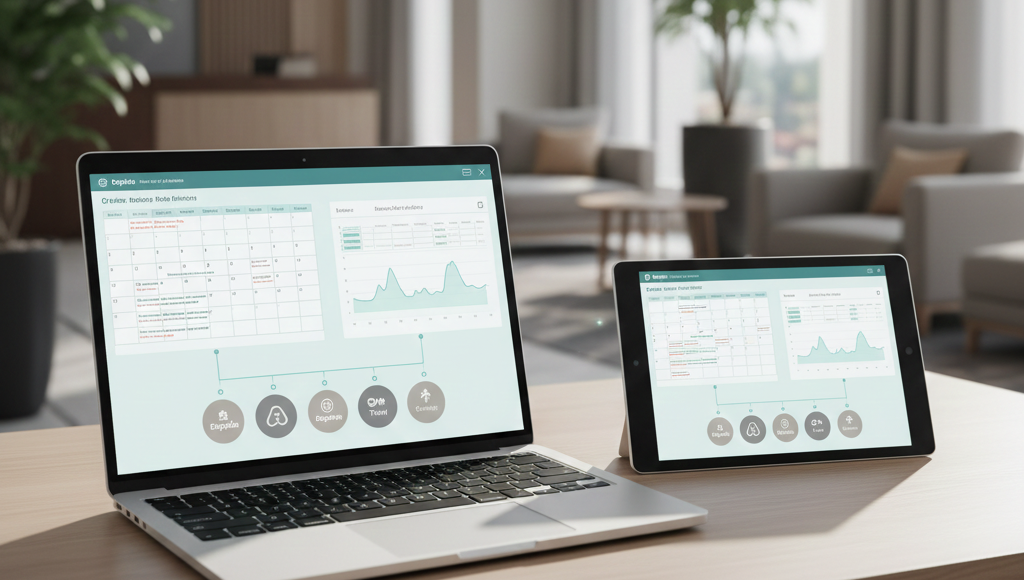
A Hotel PMS Connectivity API acts like a secure digital bridge that allows different hotel systems to share information automatically. In simple terms, it helps your PMS “talk” to other platforms without human intervention. Room availability, rates, reservations, guest details, and payments can move seamlessly between systems in real time, saving time and reducing mistakes.
A Hotel PMS Connectivity API is a technology that allows a hotel’s Property Management System (PMS) to connect and communicate with other hotel software automatically. In simple terms, it acts as a digital connector that securely shares data between systems like channel managers, booking engines, OTAs, payment gateways, and revenue management tools—without manual effort.
How APIs Enable Real-Time Data Exchange
APIs work by sending and receiving information between systems within seconds. For example, when a guest books a room on an OTA, the API immediately updates the PMS and adjusts availability across all sales channels. Similarly, when a hotel updates prices or room inventory in the PMS, those changes are automatically pushed to every connected platform.
This real-time data exchange ensures:
-
No overbookings or rate mismatches
-
Faster reservation processing
-
Up-to-date availability across all channels
-
A smoother experience for both hotel staff and guests
With API-based connectivity, hotels can confidently manage multiple channels while maintaining complete control from one central system.
Manual Integrations vs API-Based Connectivity
Manual integrations require hotel staff to update each platform separately. This process is time-consuming, error-prone, and difficult to scale as the hotel grows. Even small mistakes—like forgetting to close inventory on one channel—can lead to overbookings and guest dissatisfaction.
API-based connectivity, on the other hand, automates the entire process. Data flows directly between systems without manual input, ensuring accuracy and speed. Compared to manual methods, Hotel PMS Connectivity APIs offer better reliability, scalability, and long-term cost savings, making them the preferred choice for modern hotels aiming for efficient and connected operations.
Why Hotel PMS Connectivity API Is Important in 2026
In 2026, the hotel industry is more digital, competitive, and guest-focused than ever before. Hotels are no longer managing just front-desk operations—they are handling multiple booking channels, dynamic pricing, guest data, and real-time reporting. This growing complexity makes a Hotel PMS Connectivity API not just useful, but essential for smooth and scalable hotel operations.
Growing Reliance on Automation in Hotel Operations
Automation has become the backbone of modern hotel management. From online bookings and digital check-ins to automated invoicing and reporting, hotels rely heavily on smart systems to reduce manual work. A PMS Connectivity API enables this automation by allowing different systems to work together seamlessly. Tasks that once required hours of manual updates—like syncing availability or confirming reservations—are now completed instantly, helping hotel staff focus more on guest service rather than data entry.
Increasing Number of OTAs and Booking Platforms
Hotels in 2026 sell rooms across multiple OTAs such as Booking.com, MakeMyTrip, Agoda, and regional platforms, along with their own direct booking engines. Managing these platforms manually is nearly impossible without errors. A Hotel PMS Connectivity API connects the PMS with all these booking channels through a channel manager, ensuring that rates, availability, and reservations stay consistent everywhere. This connectivity allows hotels to expand their online presence without increasing operational complexity.
Need for Real-Time Inventory, Rates, and Reservation Sync
Real-time synchronization is critical to avoid overbookings, rate discrepancies, and missed revenue opportunities. With a PMS Connectivity API, any change made in one system—whether it’s a new booking, a cancellation, or a price update—is instantly reflected across all connected platforms. This real-time data flow ensures accurate inventory management, dynamic pricing control, and a smoother booking experience for guests, making APIs a key requirement for hotels aiming to stay competitive in 2026 and beyond.
How Hotel PMS Connectivity API Works
A Hotel PMS Connectivity API works as a smart communication layer that connects your Property Management System (PMS) with other hotel platforms such as channel managers, booking engines, and OTAs. It ensures that all systems stay updated automatically, accurately, and in real time. Below is a simple, step-by-step explanation of how this process works.
Step-by-Step Explanation of API Communication
-
System Connection Setup
The PMS is securely connected to the channel manager or OTA through the API. This setup allows systems to exchange data using predefined rules and formats.
-
Data Request or Action Triggered
An action occurs, such as a new booking, cancellation, rate update, or inventory change on any connected platform.
-
API Sends Data Instantly
The API immediately sends this updated information from the source system to the connected system. For example, a booking made on an OTA is sent to the PMS within seconds.
-
System Receives and Processes Data
The receiving system reads the data and updates its records automatically—no manual input required.
-
Confirmation and Sync Across Platforms
The updated data is confirmed and synchronized across all connected platforms, ensuring consistency everywhere.
Data Flow Between PMS, Channel Manager, and OTAs
The PMS acts as the central control system for hotel operations. The channel manager distributes room availability and rates to multiple OTAs. When a booking is made on an OTA, the information flows through the channel manager via the API and reaches the PMS in real time. At the same time, inventory and availability are updated across all other OTAs.
Key Features of a Reliable Hotel PMS Connectivity API
Choosing the right Hotel PMS Connectivity API is critical for smooth hotel operations and long-term growth. A reliable API ensures that all hotel systems work together seamlessly, delivering accurate data, faster processes, and a better guest experience. Below are the key features that every modern hotel should look for in a PMS Connectivity API.
Real-Time Availability and Rate Synchronization
One of the most important features of a Hotel PMS Connectivity API is real-time synchronization of room availability and rates. Whenever a room is booked, canceled, or updated on any platform, the API instantly reflects the change across all connected systems. This real-time sync helps prevent overbookings, eliminates rate discrepancies, and ensures guests always see accurate pricing and availability.
Reservation and Modification Updates
A reliable API automatically handles new reservations, cancellations, and booking modifications. When a guest updates their booking on an OTA, the changes are immediately pushed to the PMS and other connected platforms. This reduces manual work for hotel staff and ensures that guest information remains accurate at every stage of the booking journey.
Two-Way Data Connectivity
Two-way connectivity means data flows in both directions between the PMS and other hotel systems. The PMS can send availability and rate updates to OTAs, while also receiving reservation details in return. This balanced data exchange ensures that all systems stay aligned, giving hotels complete control over inventory, pricing, and bookings from a single source.
Secure and Scalable Architecture
Security and scalability are essential in today’s digital hotel ecosystem. A dependable Hotel PMS Connectivity API uses secure authentication and data encryption to protect sensitive hotel and guest information. At the same time, it is built to scale—allowing hotels to add more rooms, properties, or distribution channels without performance issues as their business grows.
Easy Integration with Third-Party Hotel Software
A good PMS Connectivity API should support easy integration with third-party hotel software such as channel managers, booking engines, payment gateways, revenue management systems, and CRM tools. Quick and flexible integrations reduce setup time, lower technical complexity, and help hotels adopt new technologies without disrupting daily operations.
Benefits of Using PMS Connectivity API for Hotels
Using a PMS Connectivity API has become a game-changer for hotels aiming to operate efficiently and stay competitive in a digital-first hospitality environment. By connecting all hotel systems seamlessly, APIs deliver measurable operational, financial, and guest experience benefits.
Elimination of Manual Data Entry
One of the biggest advantages of a Hotel PMS Connectivity API is the complete removal of repetitive manual data entry. Room availability, rates, reservations, and guest details are automatically shared across systems. This reduces human errors, saves time, and allows hotel staff to focus on service quality instead of system updates.
Reduced Overbookings and Rate Errors
Overbookings and rate mismatches can damage a hotel’s reputation and revenue. With real-time synchronization enabled by PMS Connectivity APIs, inventory and pricing are always accurate across all OTAs and booking platforms. Every booking, cancellation, or modification is updated instantly, minimizing costly mistakes.
Faster Operations and Improved Staff Efficiency
API-based connectivity speeds up daily hotel operations. Front desk teams no longer need to check multiple systems for reservations or updates. Automated workflows help staff manage check-ins, billing, and reporting more efficiently, resulting in smoother operations and better productivity.
Better Guest Experience Through Accurate Data
Accurate and up-to-date data leads to a better guest experience. Guests receive correct booking confirmations, room details, and pricing information at all times. With a Hotel PMS Connectivity API, hotels can deliver seamless check-ins, fewer booking issues, and more personalized service—building trust and guest satisfaction.
Centralized Control of Hotel Systems
A PMS Connectivity API provides centralized control over all connected hotel systems. Hotels can manage availability, rates, and reservations from a single PMS dashboard while maintaining consistency across channels. This centralized approach simplifies management, improves decision-making, and supports scalable growth for hotels of all sizes.
Hotel Systems That Commonly Integrate via PMS API
A Hotel PMS Connectivity API acts as the central link between the Property Management System (PMS) and other essential hotel software. By integrating multiple systems through a single API, hotels can automate operations, maintain data accuracy, and manage everything from one platform. Below are the key hotel systems that commonly integrate via a PMS API.
Channel Managers
Channel managers are one of the most important integrations for any hotel. Through a PMS API, the channel manager syncs room availability, rates, and restrictions across multiple booking channels in real time. This integration helps hotels avoid overbookings, maintain consistent pricing, and maximize online visibility with minimal manual effort.
Online Travel Agencies (OTAs)
OTAs such as Goibibo, Expedia, Agoda, and others connect to the PMS through APIs—often via a channel manager. When a guest makes a booking on an OTA, the reservation details are instantly pushed to the PMS. This real-time OTA integration ensures accurate inventory updates, faster confirmations, and smooth reservation handling.
Booking Engines
A booking engine allows guests to book rooms directly from a hotel’s website. When integrated via a Hotel PMS Connectivity API, direct bookings are automatically recorded in the PMS and inventory is updated across all channels. This helps hotels increase direct bookings while keeping availability and rates synchronized.
Revenue Management Systems
Revenue management systems rely on accurate, real-time data to optimize pricing strategies. PMS API integration allows these systems to access live occupancy, booking trends, and rate data. Based on this information, prices can be adjusted dynamically and pushed back to the PMS and connected channels, helping hotels maximize revenue.
Accounting and Reporting Tools
Accounting and reporting tools integrate with the PMS through APIs to track payments, invoices, taxes, and financial performance. This automated data exchange reduces manual accounting work, improves accuracy, and provides hotel owners with clear financial insights. With PMS API integration, reporting becomes faster, more reliable, and easier to manage.
By connecting all these systems through a Hotel PMS Connectivity API, hotels can build a fully automated, efficient, and scalable hotel technology ecosystem.
Choosing the Right Hotel PMS Connectivity API
Selecting the right Hotel PMS Connectivity API is a critical decision for hotels that want smooth operations, reliable system performance, and long-term scalability. The right API not only improves daily efficiency but also supports future growth as technology and distribution channels evolve. Here are the key factors to consider when choosing a PMS Connectivity API.
Compatibility with Existing PMS and Channel Manager
The first and most important step is ensuring the API is fully compatible with your current PMS and channel manager. A good Hotel PMS Connectivity API should integrate seamlessly with your existing systems without requiring major changes. Compatibility ensures accurate data flow, faster setup, and minimal disruption to hotel operations.
Ease of Integration and Documentation Quality
A reliable API should be easy to integrate, even for non-technical hotel teams. Clear, well-structured documentation helps developers and system partners understand how the API works and how to implement it efficiently. APIs with strong documentation reduce integration time, lower technical costs, and ensure smoother onboarding.
Reliability and Uptime
System reliability is essential in hotel operations where bookings happen 24/7. The best PMS Connectivity APIs offer high uptime and consistent performance to ensure uninterrupted data flow. Reliable APIs prevent booking failures, sync delays, and operational downtime that can lead to lost revenue and poor guest experiences.
Ongoing Technical Support
Strong technical support is a key factor when choosing a Hotel PMS Connectivity API. Hotels should look for providers that offer ongoing assistance, regular updates, and quick issue resolution. Responsive support ensures that integrations remain stable and up to date as systems and platforms evolve.
Scalability for Future Growth
As hotels grow—adding more rooms, properties, or distribution channels—the API should scale effortlessly. A scalable PMS Connectivity API allows hotels to expand without performance issues or costly system changes. This future-ready approach ensures that the hotel’s technology stack can support long-term business growth and increasing operational demands.
Saasaro PMS Connectivity API Overview
The Saasaro PMS Connectivity API is designed to help hotels connect their Property Management System with essential hotel software in a smooth and structured way. It enables secure data exchange between the PMS and systems such as channel managers, booking engines, OTAs, and other third-party hotel applications. The API focuses on providing consistent, real-time connectivity that supports day-to-day hotel operations.
How It Simplifies Hotel System Integrations
Saasaro’s PMS Connectivity API simplifies integrations by offering standardized data communication and real-time synchronization. Instead of relying on manual updates or complex custom connections, hotels can use the API to automatically share availability, rates, reservations, and booking updates across systems. This reduces operational complexity, minimizes errors, and ensures all platforms remain aligned with the PMS as the central source of data.
Suitable for Hotels Looking for Stable and Flexible Connectivity
The Saasaro PMS Connectivity API is suitable for hotels that require stable, secure, and flexible connectivity across their technology stack. It supports integration with a wide range of hotel software and is built to adapt as operational needs grow. For hotels managing multiple channels or planning future system expansions, this API provides a reliable foundation for maintaining connected, automated, and well-synchronized hotel operations—without unnecessary complexity.
Conclusion
In today’s digitally connected hospitality landscape, a Hotel PMS Connectivity API has become a necessity rather than an option. As hotels manage multiple systems such as PMS, channel managers, OTAs, booking engines, and revenue tools, seamless connectivity ensures accuracy, efficiency, and scalability. By enabling real-time data exchange, eliminating manual processes, and centralizing control, PMS Connectivity APIs help hotels reduce errors, improve staff productivity, and deliver a smoother guest experience. Solutions like the Saasaro PMS Connectivity API demonstrate how structured, stable, and flexible API connectivity can support modern hotel operations while remaining adaptable to future growth.
Frequently Asked Questions
1. What is a Hotel PMS Connectivity API?
A Hotel PMS Connectivity API is a technology that allows a hotel’s Property Management System to securely connect and share data with other hotel systems such as channel managers, OTAs, booking engines, and accounting tools in real time.
2. Why is PMS API connectivity important for hotels in 2026?
In 2026, hotels rely heavily on automation and multiple booking platforms. PMS API connectivity ensures real-time synchronization of inventory, rates, and reservations, helping hotels avoid overbookings and manage operations efficiently.
3. How does a PMS Connectivity API reduce overbookings?
The API updates availability instantly across all connected systems whenever a booking, cancellation, or modification occurs. This real-time synchronization keeps inventory accurate on every channel.
4. Can a PMS Connectivity API integrate with multiple hotel systems?
Yes, a reliable PMS Connectivity API can integrate with channel managers, OTAs, booking engines, revenue management systems, and accounting tools, creating a fully connected hotel technology ecosystem.
5. Is PMS API connectivity suitable for small and mid-sized hotels?
Absolutely. PMS Connectivity APIs are designed to scale, making them suitable for independent hotels, boutique properties, and growing hotel chains that want efficient and centralized system management.
6. What should hotels look for when choosing a PMS Connectivity API?
Hotels should consider compatibility with existing systems, ease of integration, reliability, security, ongoing technical support, and scalability to support future business growth.
