
Introduction
In today’s highly competitive hospitality market, boutique hotels face a unique revenue challenge. While their personalized service, distinctive design, and local charm set them apart, sustaining profitability has become increasingly complex. With rising operational costs and changing guest booking behavior, hotel owners must rethink how they attract and convert guests without compromising margins.
Thanks for reading this blog!, Looking for professional help with your hotel listings?
👉 Sign up with SaasAro or call 75000-87037 today!
If you’d prefer to handle the listing yourself, keep reading and enjoy the complete blog below.
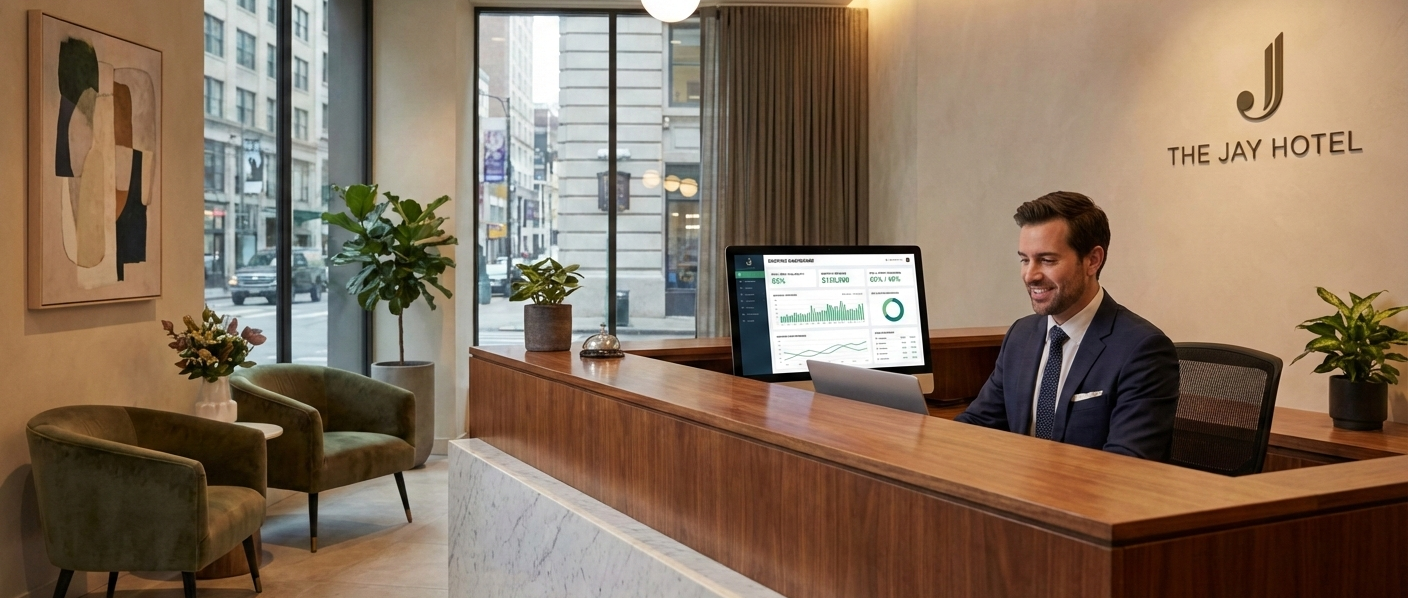
Most boutique hotels rely on multiple booking channels to maintain consistent occupancy. Online Travel Agencies (OTAs) such as Booking.com and Expedia offer global visibility and quick access to travelers, making them an essential part of any distribution strategy. However, this dependence often comes at a price. High OTA commissions, which can range from 15% to 25%, significantly reduce net revenue—especially for smaller properties with limited room inventory.
As we move into 2026, the pressure on profit margins continues to grow. Guests are becoming more digitally aware, price-sensitive, and brand-conscious. At the same time, hotels are recognizing the long-term value of direct bookings—not just for higher profitability, but also for building guest relationships, encouraging repeat stays, and gaining control over pricing and communication. A strong direct booking strategy can help boutique hotels reduce commission leakage while enhancing brand loyalty and guest trust.
Understanding OTAs (Online Travel Agencies)
Online Travel Agencies (OTAs) have become a major distribution channel for hotels worldwide. For boutique hotels, OTAs often act as the first point of contact between the property and potential guests. Understanding how OTAs work—their advantages as well as their limitations—is essential for building a balanced and profitable hotel revenue strategy.
What Are OTAs?
Online Travel Agencies are third-party platforms that allow travelers to search, compare, and book accommodation online. Popular OTAs such as Expedia, Agoda, MakeMyTrip, and Airbnb connect hotels with a global audience of travelers across different countries and travel segments.
OTAs invest heavily in digital marketing, search engine visibility, and mobile apps, which helps boutique hotels gain instant global exposure without spending heavily on advertising. For smaller properties with limited marketing budgets, OTAs provide access to international travelers who might otherwise never discover the hotel.
Benefits of OTAs for Boutique Hotels
OTAs offer several short-term advantages that make them attractive, especially for new or independent boutique hotels.
Instant exposure to new guests:
OTAs already have millions of active users searching for accommodation daily. This allows boutique hotels to reach first-time and international guests quickly without building their own audience from scratch.
Trust factor and guest reviews:
Travelers often trust OTAs due to transparent reviews, ratings, and secure payment systems. Positive reviews on OTA platforms can significantly influence booking decisions and help boutique hotels build credibility in competitive markets.
Easy setup and quick bookings:
Getting listed on an OTA is relatively simple, and bookings can start almost immediately. OTAs handle payments, confirmations, and sometimes even customer support, making it convenient for hotel operators to manage reservations efficiently.
Drawbacks of Relying Heavily on OTAs
While OTAs bring visibility, excessive dependence on them can negatively impact long-term profitability and brand growth.
High commission costs:
OTAs typically charge commissions ranging from 15% to 25% per booking. Over time, these costs significantly reduce profit margins, especially for boutique hotels with limited room inventory.
Limited control over guest data:
When bookings come through OTAs, hotels often receive minimal guest information. This limits opportunities for personalized communication, remarketing, and building long-term guest relationships.
Price parity restrictions:
Many OTAs enforce price parity agreements, which restrict hotels from offering lower rates or exclusive deals on their own websites. This makes it harder to promote direct bookings and flexible pricing strategies.
Reduced brand identity:
On OTA platforms, boutique hotels compete alongside hundreds of similar properties. The hotel’s unique story, personality, and brand experience often get overshadowed, turning the property into just another listing based on price and availability.
What Is a Direct Booking Engine?
As boutique hotels look to reduce dependency on third-party platforms, direct booking engines have become a crucial part of modern hotel websites. A direct booking engine allows guests to check availability, compare room rates, and confirm reservations instantly—without leaving the hotel’s own website. This not only improves the guest experience but also gives hoteliers greater control over their revenue and brand presence.
Definition of a Direct Booking Engine
A direct booking engine is an online reservation system integrated into a hotel’s website that enables guests to make real-time bookings. It displays live room availability, pricing, offers, and booking rules, allowing travelers to complete their reservation in just a few clicks.
Unlike traditional inquiry or “request to book” forms, where guests must wait for a confirmation email or call from the hotel, a real-time booking engine provides instant confirmation. This reduces booking friction, prevents lost leads, and meets modern traveler expectations for fast and seamless online booking.
Inquiry forms vs real-time booking engines:
-
Inquiry forms rely on manual follow-ups and often result in delayed responses or missed bookings.
-
Real-time booking engines automate the entire process, offering immediate confirmation, secure payments, and higher conversion rates.
For today’s digital-first travelers, a real-time booking engine is no longer optional—it is an essential feature of a professional hotel website.
Role of a Booking Engine in Hotel Revenue Growth
A direct booking engine plays a significant role in improving hotel profitability and long-term revenue sustainability.
Commission-free reservations:
Bookings made through a hotel’s own website are free from OTA commissions. This allows boutique hotels to retain the full booking value, making every reservation more profitable.
Higher profit per booking:
By avoiding third-party fees, hotels can offer better value to guests—such as exclusive discounts, complimentary upgrades, or add-on services—while still earning more per booking compared to OTA reservations.
Direct communication with guests:
Direct bookings give hotels full access to guest information, enabling personalized communication before, during, and after the stay. This strengthens guest relationships, improves service quality, and increases the chances of repeat bookings and positive reviews.
OTA vs Direct Booking Engine: Key Comparison for Boutique Hotels
Choosing the right booking mix is one of the most important decisions for boutique hotel owners. While OTAs offer immediate visibility and bookings, direct booking engines provide long-term control and profitability. Understanding the key differences between these two channels helps hoteliers create a balanced strategy that supports both occupancy and sustainable revenue growth.
Cost & Commission Comparison
OTA commission vs zero-commission direct bookings:
OTAs typically charge commissions ranging from 15% to 25% per booking, which directly reduces the hotel’s earnings. For boutique hotels with limited inventory, this commission can significantly impact overall profitability.
In contrast, bookings made through a direct booking engine on the hotel’s website come with zero commission. Even after accounting for technology or payment gateway costs, direct bookings remain far more cost-effective than OTA reservations.
Impact on net revenue:
With direct bookings, hotels retain the full room revenue, allowing them to invest more in guest experience, marketing, and property improvements. Over time, increasing the share of direct bookings leads to healthier margins and stronger financial stability.
Control & Branding
OTA branding limitations:
On OTA platforms, hotels are displayed alongside numerous competitors, often ranked by price and availability rather than unique value. The hotel’s story, design, and personalized service are limited to standard listing formats, reducing brand differentiation.
Freedom to showcase hotel identity via website bookings:
A direct booking engine integrated into the hotel’s website allows full control over branding. Boutique hotels can highlight their unique ambiance, local experiences, special offers, and visual storytelling—creating a stronger emotional connection with guests before they book.
Guest Relationship & Data Ownership
Lack of guest data from OTAs:
When bookings come through OTAs, hotels receive limited guest information. This restricts direct communication and makes it difficult to build long-term relationships or run targeted marketing campaigns.
Benefits of owning guest data through direct bookings:
Direct bookings provide complete access to guest details, preferences, and stay history. This enables personalized communication, customized offers, and improved guest satisfaction—key factors in encouraging repeat stays and positive reviews.
Long-Term Revenue Impact
Short-term bookings vs long-term profitability:
OTAs are effective for generating quick bookings, especially during low-demand periods. However, heavy reliance on OTAs can limit long-term revenue growth due to high commissions and low guest retention.
Repeat guests and loyalty advantages:
Direct bookings support loyalty-building efforts by allowing hotels to offer exclusive deals, personalized experiences, and post-stay engagement. Repeat guests not only reduce marketing costs but also tend to book directly, stay longer, and spend more over time.
How a Channel Manager Helps Balance OTA & Direct Bookings
For boutique hotels, managing multiple booking channels manually can be time-consuming and error-prone. This is where a channel manager becomes an essential tool. By centralizing inventory, rates, and availability, a channel manager allows hotels to maintain a healthy balance between OTA visibility and direct booking growth—without operational complexity.
What Is a Channel Manager?
A channel manager is a software solution that connects a hotel’s property management system, booking engine, and OTAs into one centralized platform. It allows hoteliers to manage room availability, pricing, and restrictions across all connected channels from a single dashboard.
Centralized inventory and rate management:
Instead of updating rates and availability separately on each OTA and website, a channel manager ensures that all changes are applied simultaneously. This helps boutique hotels maintain consistency across platforms while saving valuable time.
Avoiding overbookings and rate mismatches:
Without automation, manual updates can lead to double bookings or inconsistent pricing. A channel manager updates availability in real time, significantly reducing the risk of overbookings and rate discrepancies that can harm guest trust and hotel reputation.
How Saasaro Channel Manager Supports Boutique Hotels
The Saasaro Channel Manager is designed specifically to meet the needs of boutique hotels and small hospitality businesses, where efficiency and accuracy are critical.
Real-time sync of availability across OTAs & website:
Saasaro ensures instant synchronization of room availability and rates across all connected OTAs and the hotel’s direct booking engine. This allows hoteliers to confidently accept bookings from multiple channels without fear of conflicts.
Easy rate parity management:
With Saasaro, hotels can maintain rate parity while still offering value-added benefits for direct bookings. This helps protect relationships with OTAs while encouraging guests to book directly.
Reduced manual errors:
Automation minimizes human errors caused by repetitive data entry. Accurate inventory and pricing reduce booking disputes, cancellations, and guest dissatisfaction.
Time-saving automation for small hotel teams:
Boutique hotels often operate with lean teams. Saasaro simplifies daily operations, freeing up staff time to focus on guest experience, marketing, and service quality instead of manual channel updates.
Maximizing Direct Revenue with Stay With Us Booking Engine
As boutique hotels aim to reduce OTA dependency and increase profitability, having a powerful direct booking engine is no longer optional—it is essential. A well-designed booking engine not only simplifies the booking process for guests but also helps hotels capture more direct revenue, improve conversion rates, and maintain full control over their brand and guest relationships.
Why a Booking Engine Is Essential for Hotel Websites
24/7 instant bookings:
Modern travelers expect the ability to book accommodation instantly, at any time of day. A booking engine ensures that guests can check availability, view rates, and confirm reservations immediately—without delays or manual follow-ups. This significantly reduces lost booking opportunities.
Mobile-friendly & guest-friendly booking flow:
With most travelers booking via smartphones, a mobile-optimized booking experience is critical. A clean, intuitive, and fast booking flow improves user experience, reduces drop-offs, and encourages guests to complete their reservations directly on the hotel website.
Secure payment options:
Trust is a key factor in online bookings. A reliable booking engine offers secure payment gateways, protecting guest information and increasing confidence during the booking process. This leads to higher conversion rates and fewer abandoned bookings.
Benefits of Stay With Us Booking Engine
The Stay With Us Booking Engine is designed to help boutique hotels maximize direct bookings while keeping operations simple and efficient.
Zero or low commission bookings:
Unlike OTAs, bookings made through Stay With Us involve zero or minimal commission. This allows hotels to retain more revenue per booking and improve overall profit margins.
Easy integration with hotel websites:
Stay With Us integrates smoothly with existing hotel websites without technical complexity. This ensures a consistent brand experience while enabling quick and hassle-free deployment.
Works seamlessly with Saasaro Channel Manager:
When combined with the Saasaro Channel Manager, Stay With Us ensures real-time synchronization of availability and rates across all channels. This prevents overbookings, maintains accuracy, and supports a balanced OTA and direct booking strategy.
Increases website conversion rates:
By offering a fast, secure, and user-friendly booking experience, Stay With Us helps convert website visitors into confirmed guests—turning your hotel website into a powerful revenue-generating channel.
Best Revenue Strategy: OTA + Direct Booking Engine
For boutique hotels, the most successful revenue strategy in 2026 is not choosing between OTAs and direct bookings—but using both channels intelligently. A smart mix of OTAs and a direct booking engine allows hotels to maximize visibility while protecting long-term profitability. When managed correctly, this balanced approach supports steady occupancy, stronger brand identity, and sustainable revenue growth.
Why OTAs Should Be Used for Visibility, Not Dependency
OTAs play a valuable role in increasing reach and attracting travelers who may not yet be familiar with your property. However, relying on them as the primary revenue source can limit profitability due to high commissions and reduced brand control.
The key is to treat OTAs as a marketing and discovery channel, not a long-term dependency. By maintaining a controlled presence on OTAs, boutique hotels can benefit from their global exposure while steadily shifting more bookings to their own website.
Using OTAs to Attract First-Time Guests
OTAs are especially effective at introducing boutique hotels to new and international guests. Travelers often use these platforms to compare options, read reviews, and make initial booking decisions.
Once a guest experiences your hospitality, service quality, and unique ambiance, the focus should shift toward building a direct relationship. OTAs become the entry point, while your hotel experience becomes the reason guests return.
Converting OTA Guests into Direct Repeat Bookings
Turning first-time OTA guests into loyal direct bookers is one of the most powerful ways to improve long-term revenue.
Hotels can encourage direct repeat bookings by:
-
Offering exclusive perks for booking directly next time
-
Collecting guest contact details during the stay
-
Providing personalized post-stay communication and offers
-
Promoting the benefits of booking through the hotel website
This approach reduces future commission costs while increasing guest loyalty and lifetime value.
Using Saasaro Channel Manager to Manage All Channels Smoothly
Managing multiple channels manually can quickly become overwhelming. The Saasaro Channel Manager simplifies this process by synchronizing availability, rates, and bookings across OTAs and the direct booking engine in real time.
With Saasaro, boutique hotels can:
-
Avoid overbookings and pricing errors
-
Maintain rate consistency across channels
-
Save time through automation
-
Focus more on guest experience and revenue strategy
By combining OTAs for visibility, a direct booking engine for profitability, and Saasaro for seamless channel management, boutique hotels can achieve the best booking strategy for long-term success.
Which Strategy Drives Higher Revenue for Boutique Hotels?
Choosing the right booking strategy is a crucial decision for boutique hotel owners. While both OTAs and direct booking engines play important roles, their impact on revenue differs significantly over time. A clear understanding of how each channel contributes to profitability helps hoteliers make smarter, future-ready decisions.
Clear Comparison Summary
OTAs are highly effective at delivering immediate visibility and quick bookings, especially from new and international travelers. However, high commission costs, limited brand control, and restricted guest data reduce their long-term revenue potential.
Direct bookings, on the other hand, allow boutique hotels to retain full control over pricing, branding, and guest relationships. With zero or minimal commission costs, each direct booking contributes more net revenue compared to OTA reservations.
Why Direct Bookings Generate Higher Long-Term Revenue
Direct bookings consistently deliver higher profit margins because hotels avoid OTA commissions. Beyond cost savings, direct bookings enable hotels to build direct relationships with guests, personalize experiences, and encourage repeat stays.
Guests who book directly are more likely to return, book longer stays, and engage with exclusive offers. Over time, this leads to lower acquisition costs, stronger brand loyalty, and predictable revenue growth—key advantages for boutique hotels aiming for long-term success.
When OTAs Still Make Sense
Despite their limitations, OTAs continue to serve a valuable purpose. They are especially useful for:
-
Increasing visibility in competitive or new markets
-
Filling rooms during low-demand periods
-
Reaching first-time or international travelers
Used strategically, OTAs act as a powerful discovery tool rather than a primary revenue driver.
Final Recommendation for Boutique Hotels
The most effective strategy is not choosing one channel over the other, but creating the right balance. Boutique hotels should:
-
Use OTAs to attract new guests and maintain visibility
-
Invest in a strong direct booking engine to maximize profitability
-
Convert OTA guests into loyal direct bookers
-
Use a channel manager to manage all channels efficiently
This balanced approach ensures higher revenue today while building a profitable, sustainable future. For boutique hotels in 2026 and beyond, direct bookings drive long-term growth—while OTAs support reach and discovery when used wisely.
Conclusion
In today’s competitive hospitality landscape, boutique hotels must move beyond a single-channel booking approach to achieve sustainable revenue growth. While OTAs remain valuable for visibility and attracting first-time guests, over-reliance on them can limit profitability due to high commissions and reduced control.
Direct booking engines empower boutique hotels to retain higher margins, build stronger guest relationships, and strengthen brand identity. When combined with a reliable channel manager like Saasaro and a seamless booking engine such as Stay With Us, hotels can efficiently manage all booking channels while steadily increasing direct revenue.
The most effective strategy is a smart mix—using OTAs for reach, direct bookings for profitability, and automation tools to maintain balance. This approach not only maximizes revenue in the short term but also supports long-term growth, guest loyalty, and operational efficiency for boutique hotels in 2026 and beyond.
Frequently Asked Questions (FAQs)
1. Are OTAs bad for boutique hotels?
No, OTAs are not bad. They are useful for increasing visibility and attracting new guests. However, relying on them as the main revenue source can reduce profitability due to high commission costs.
2. Why are direct bookings more profitable than OTA bookings?
Direct bookings eliminate OTA commissions, allowing hotels to keep more revenue per reservation. They also help build direct guest relationships and encourage repeat stays.
3. Can small boutique hotels manage both OTAs and direct bookings?
Yes. With a channel manager like Saasaro, boutique hotels can easily manage rates, availability, and bookings across all channels from one platform.
4. How can hotels convert OTA guests into direct bookers?
Hotels can encourage direct repeat bookings by offering exclusive perks, collecting guest contact details during the stay, and promoting benefits of booking directly on their website.
5. Is a booking engine necessary for a hotel website?
Yes. A booking engine enables real-time availability, instant confirmations, secure payments, and a smooth booking experience—making it essential for increasing direct bookings.
6. What is the best booking strategy for boutique hotels in 2026?
The best strategy is a balanced approach: use OTAs for visibility, a direct booking engine for higher profits, and a channel manager to manage all channels efficiently.