
Introduction
In recent years, online travel agencies (OTAs) have revolutionized the way travelers book hotels. Platforms like Booking.com, Expedia, and Agoda have made it easier than ever for guests to find, compare, and reserve rooms online. For hotels, this shift has created tremendous opportunities to reach a wider audience, increase bookings, and grow revenue.
Thanks for reading this blog!, Looking for professional help with your hotel listings?
👉 Sign up with SaasAro or call 75000-87037 today!
If you’d prefer to handle the listing yourself, keep reading and enjoy the complete blog below.
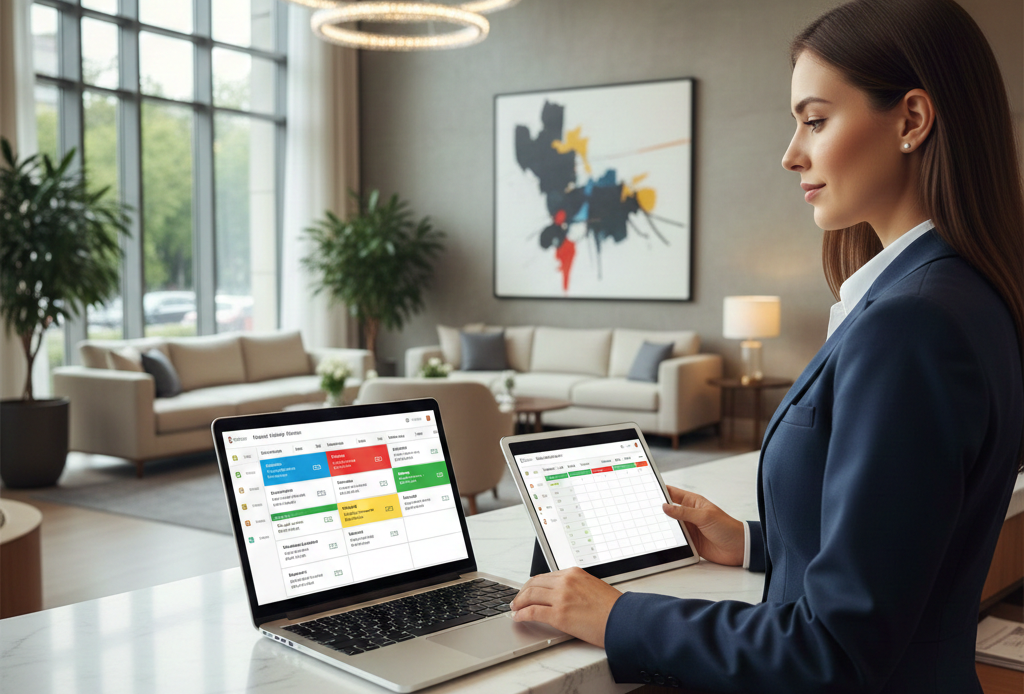
However, in today’s highly competitive hospitality market, simply being listed on OTAs isn’t enough. Seamless OTA connectivity is crucial for hotels to manage multiple channels efficiently and maintain up-to-date room availability. Without proper integration, hotels often face challenges such as overbookings, lost revenue, and manual errors—issues that can harm both operational efficiency and guest satisfaction.
This is where modern solutions like the Saasaro Channel Manager come into play. By connecting your property management system (PMS) with multiple OTAs, Saasaro ensures real-time updates, eliminates double bookings, and streamlines your hotel operations, giving you more time to focus on delivering exceptional guest experiences.
What Is OTA Connectivity?
OTA connectivity is the seamless integration between a hotel’s Property Management System (PMS) and online travel agencies (OTAs) such as , Expedia, Agoda, and MakeMyTrip. It enables hotels to manage room availability, pricing, and reservations across multiple platforms in real time, ensuring accuracy and efficiency.
Key Points About OTA Connectivity:
-
Real-Time Synchronization: Automatically updates room availability and rates across all OTAs.
-
Eliminates Manual Errors: Reduces overbookings, double bookings, and incorrect pricing.
-
Saves Time: Removes the need to manually update multiple platforms.
-
Maximizes Visibility: Ensures your hotel appears accurately on all major OTAs, attracting more guests.
-
Improves Revenue Management: Optimizes pricing and inventory across channels for higher occupancy and revenue.
-
Seamless Operations: Modern tools like Saasaro Channel Manager integrate PMS and OTAs effortlessly, making hotel management smoother.
Manual Listing vs Automated OTA Integration:
-
Manual Listing Management: Requires updating each OTA individually, prone to errors, and time-consuming.
-
Automated OTA Integration: Updates all platforms instantly when a booking is made, minimizing mistakes and lost revenue.
How OTA Connectivity Works
OTA connectivity allows hotels to efficiently manage bookings, rates, and availability across multiple online travel platforms. This seamless connection is made possible through the integration of a hotel’s Property Management System (PMS) with OTAs, ensuring smooth operations and maximum revenue.
Key Steps in OTA Connectivity:
-
Integration with Multiple OTAs: Hotels connect their PMS to platforms like Booking.com, Expedia, Agoda, and MakeMyTrip. This allows a single system to manage multiple OTAs simultaneously.
-
Real-Time Inventory and Rate Updates: When a guest books a room on any OTA, the system automatically updates availability and pricing across all connected channels, eliminating overbooking and manual errors.
-
Automated Booking Confirmations: Every reservation is instantly confirmed in the PMS and reflected on all OTA listings, ensuring accurate guest information and smooth check-ins.
-
Centralized Management via Channel Manager: Tools like the Saasaro Channel Manager act as a bridge between your PMS and OTAs. They simplify operations by handling inventory updates, rate adjustments, and booking confirmations automatically.
Benefits of Using a Channel Manager for OTA Connectivity:
-
Saves time and reduces manual workload
-
Prevents overbookings and double reservations
-
Ensures consistent pricing across all platforms
-
Provides detailed analytics for better revenue management
With Saasaro Channel Manager, hotels can maintain seamless OTA connectivity, optimize bookings, and focus on enhancing guest experiences rather than juggling multiple platforms manually.
Benefits of OTA Connectivity for Hotels
1. Centralized Booking Management
-
Manage bookings from multiple OTAs in a single dashboard, eliminating the need to switch between platforms.
-
Avoid errors and double bookings, ensuring smooth operations and satisfied guests.
-
Streamlined management allows hotel staff to focus on guest services rather than manual updates.
2. Real-Time Rate & Inventory Updates
-
Control dynamic pricing and room availability across all connected OTAs in real time.
-
Prevent overbookings, missed reservations, and revenue loss by instantly updating inventory.
-
Enables hotels to implement flexible pricing strategies to maximize profits during peak seasons.
3. Increased Revenue & Occupancy
-
Gain greater online visibility and access to both domestic and international travelers.
-
Optimized OTA distribution ensures every room is listed on the right platforms to attract more bookings.
-
Helps hotels implement data-driven strategies to boost occupancy and revenue consistently.
4. Time & Cost Savings
-
Reduce manual work, spreadsheets, and human errors by automating OTA management.
-
Faster booking updates allow staff to focus on operations and guest satisfaction instead of repetitive tasks.
-
Saves both time and operational costs, improving overall efficiency.
5. Improved Guest Experience
-
Maintain accurate room availability across all channels, ensuring guests can book hassle-free.
-
Instant booking confirmations lead to smoother check-ins and enhanced customer satisfaction.
-
A seamless experience improves online reviews, repeat bookings, and brand reputation.
Common Challenges in OTA Connectivity
While OTA connectivity offers significant advantages for hotels, there are several challenges that hoteliers often face without the right tools:
1. Sync Errors and Delayed Updates
-
Manual or poorly integrated systems can cause inventory mismatches across OTAs.
-
Delayed updates may lead to overbookings, lost reservations, and unhappy guests.
-
Real-time synchronization is critical to avoid these operational headaches.
2. High OTA Commissions
-
OTAs charge commission fees on every booking, which can impact profit margins.
-
Without proper distribution strategy, hotels may rely too heavily on OTAs instead of direct bookings, losing potential revenue.
3. Lack of Technical Expertise in Small Hotels
-
Smaller properties often struggle with complex OTA integrations due to limited IT resources.
-
Manual updates increase workload and the risk of errors, affecting both revenue and guest satisfaction.
4. Importance of Choosing a Reliable Channel Manager
-
A trusted solution like Saasaro Channel Manager ensures smooth OTA connectivity, automated updates, and real-time inventory management.
-
It reduces errors, saves time, and increases revenue, making it ideal for hotels of all sizes.
-
With Saasaro, even small hotels can compete effectively in a digital-first hospitality market.
How Saasaro Channel Manager Simplifies OTA Connectivity
Managing multiple OTAs manually can be time-consuming and prone to errors. The Saasaro Channel Manager is a modern solution that streamlines OTA connectivity for hotels, both in India and globally, helping them maximize bookings and revenue while reducing operational hassles.
Key Features of Saasaro Channel Manager:
-
Real-Time OTA Connections: Instantly updates room availability, pricing, and bookings across all major OTAs like Booking.com, Expedia, Agoda, and MakeMyTrip.
-
Centralized Booking Management: Manage reservations from multiple platforms in a single, easy-to-use dashboard, saving time and effort.
-
Overbooking Prevention: Automatic synchronization prevents double bookings and reduces errors, ensuring a seamless guest experience.
-
Easy-to-Use Dashboard: Intuitive interface allows hotel staff to manage rates, inventory, and reservations effortlessly, even without technical expertise.
Benefits for Hotels:
-
Boost Revenue: Optimized OTA distribution ensures maximum visibility and higher occupancy.
-
Save Time and Resources: Automation reduces manual work, freeing staff to focus on guest satisfaction.
-
Global Reach: Connect your property to domestic and international travelers efficiently.
-
Operational Efficiency: Centralized management simplifies daily hotel operations, improving workflow and reducing stress.
By using Saasaro Channel Manager, hotels can enjoy seamless OTA connectivity, error-free booking management, and a smarter way to handle multiple channels, making it an essential tool for modern hoteliers.
Best Practices for OTA Connectivity
Maintaining seamless OTA connectivity requires more than just integration—it’s about actively managing your listings and optimizing performance to maximize bookings and revenue. Here are the best practices hotels should follow:
1. Keep Room Rates and Inventory Updated Regularly
-
Ensure real-time synchronization of room availability and pricing across all OTAs.
-
Avoid overbookings, missed opportunities, and pricing errors that can affect revenue and guest satisfaction.
-
Adjust rates dynamically to reflect demand, seasonality, and occupancy trends.
2. Monitor OTA Performance & Commissions
-
Track which OTAs generate the most bookings and revenue.
-
Analyze commission costs to balance between OTA reliance and direct bookings.
-
Focus on platforms that provide the highest return on investment (ROI).
3. Use Reliable Channel Manager Software
-
Leverage modern tools like Saasaro Channel Manager to automate updates, prevent errors, and simplify OTA management.
-
A trustworthy channel manager reduces manual work, ensures real-time updates, and improves operational efficiency.
4. Optimize for Peak Seasons and High-Demand Periods
-
Plan ahead for holidays, festivals, or local events when demand spikes.
-
Use dynamic pricing strategies and prioritize high-performing OTAs during peak periods.
-
Ensure your hotel is visible and fully booked when it matters most, maximizing revenue potential.
Following these best practices allows hotels to maintain accurate listings, prevent errors, increase revenue, and deliver a seamless guest experience while managing multiple OTAs efficiently.
Conclusion
In today’s digital-first hospitality industry, OTA connectivity is no longer optional—it’s essential for hotels aiming to maximize bookings, revenue, and guest satisfaction. By integrating your Property Management System (PMS) with multiple OTAs through a reliable solution like the Saasaro Channel Manager, hotels can enjoy real-time inventory updates, centralized booking management, and overbooking prevention.
Whether you’re a small boutique property or a large resort, following best practices such as keeping rates updated, monitoring OTA performance, and optimizing for peak seasons ensures your hotel stays competitive in a crowded market. With OTA connectivity done right, hotels can save time, reduce errors, boost revenue, and provide a seamless experience for every guest.
FAQs
1. What is OTA connectivity in hotels?
OTA connectivity is the integration of a hotel’s PMS with online travel agencies (OTAs) like Booking.com, Expedia, and Agoda, allowing real-time management of room availability, pricing, and bookings.
2. Why is OTA connectivity important for hotels?
It ensures accurate listings across all platforms, prevents overbookings, maximizes revenue, and improves guest experience by automating booking management.
3. What challenges do hotels face without OTA connectivity?
Hotels may encounter sync errors, delayed updates, overbookings, manual errors, and high dependency on manual spreadsheets, which can lead to lost revenue and dissatisfied guests.
4. How does a channel manager like Saasaro help?
Saasaro Channel Manager automates OTA updates, centralizes booking management, prevents overbookings, and simplifies the workflow, saving time and increasing revenue.
5. Can small hotels benefit from OTA connectivity?
Yes! Even small hotels can manage multiple OTAs efficiently, reduce manual errors, and reach domestic and international travelers without requiring advanced technical expertise.
6. What are the best practices for managing OTA connectivity?
-
Keep room rates and inventory updated regularly
-
Monitor OTA performance and commissions
-
Use a reliable channel manager software
-
Optimize listings for peak seasons and high-demand periods