
Introduction
Trivago API Connectivity is one of the world’s leading hotel metasearch platforms, helping travelers compare prices, room types, and deals from hundreds of booking sites in one place. For hotels, this massive visibility means more opportunities to attract guests—but it also increases the need for efficient digital management.
Thanks for reading this blog!, Looking for professional help with your hotel listings?
👉 Sign up with SaasAro or call 75000-87037 today!
If you’d prefer to handle the listing yourself, keep reading and enjoy the complete blog below.
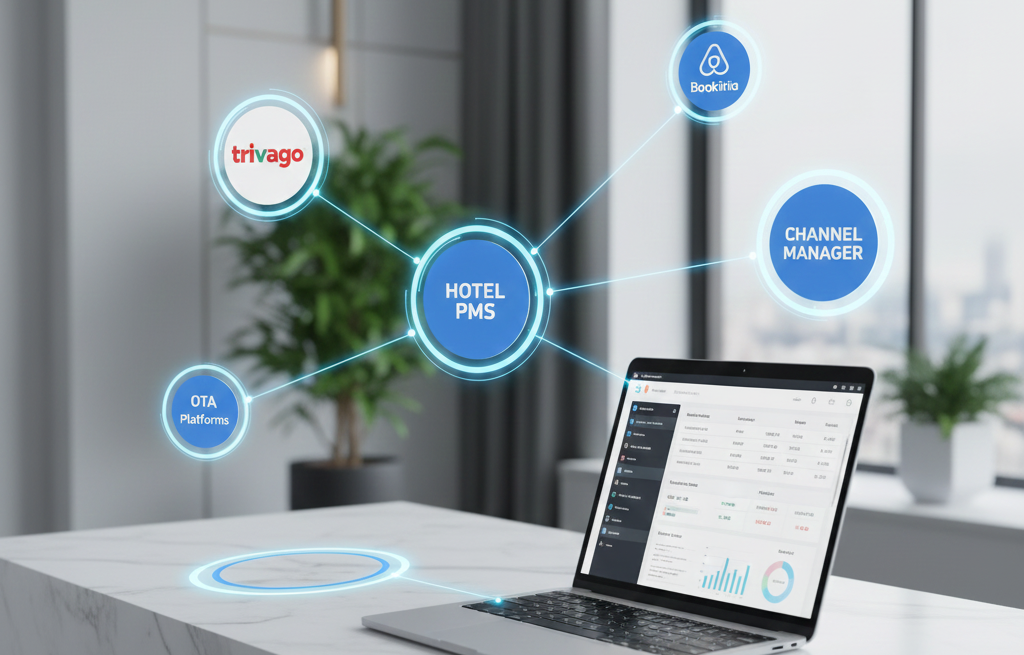
As online bookings, multiple OTAs, and dynamic pricing continue to grow, API connectivity has become essential for modern hotel operations. Instead of managing rates and availability manually across different portals, APIs allow systems to communicate automatically—saving time and reducing mistakes.
With Trivago API connectivity, hotels can benefit from real-time updates, automated inventory management, and fewer human errors. Rates, availability, and booking information sync instantly between Trivago, channel managers, PMS, and booking engines—leading to smoother workflows, better guest experience, and higher revenue.
[ez-toc]What Is Trivago API Connectivity?
Trivago API connectivity refers to the seamless digital connection between Trivago and a hotel’s systems—such as channel managers, PMS (Property Management Systems), and booking engines—using an Application Programming Interface (API). In simple terms, it allows Trivago to “talk” directly with your hotel’s software so data moves automatically without manual entry.
An API (Application Programming Interface) acts as a bridge between platforms. Through Trivago API connectivity, your hotel’s room availability, rates, bookings, and cancellations can sync in real time across Trivago and connected OTAs. This reduces the need to log into multiple extranets and keeps information accurate everywhere.
The API links four key elements:
-
Hotels – your inventory, rates, and restrictions
-
OTAs – booking sites where rooms are sold
-
Channel managers – tools that distribute inventory to multiple channels
-
PMS – software that manages reservations, check-ins, and guest data
For modern hotels, API integration is no longer optional—it’s a necessity. With travelers booking online 24/7, manual updates increase the risk of overbookings, rate mismatches, and lost revenue. Trivago API connectivity ensures automation, accuracy, real-time updates, and smoother operations, helping hotels save time, improve guest experience, and boost overall profitability.
Key Challenges Hotels Face Without API Connectivity
Hotels that operate without Trivago API connectivity or similar integrations often struggle to keep up with fast-moving online bookings. When systems are not connected, staff must update every OTA and metasearch portal manually, which is time-consuming and highly error-prone.
Manual rate and inventory updates
Without API connectivity, hotel teams need to log into multiple extranets to change availability, prices, and restrictions. This not only increases workload but also leads to inconsistent data across platforms, affecting guest trust and booking performance.
High risk of overbookings
When availability is not synced in real time, the same room can be sold on different portals simultaneously. This results in overbookings, guest dissatisfaction, last-minute cancellations, and negative reviews that hurt brand reputation.
Delayed price changes across platforms
In today’s competitive market, hotels need to react quickly to demand shifts. Without API connectivity, price updates are slow and delayed, meaning promotions, last-minute deals, or seasonal adjustments don’t reach all channels instantly—leading to lost revenue opportunities.
Poor online visibility and revenue leakage
Manually managed listings often contain outdated content, mismatched rates, or closed inventory, which lowers ranking on metasearch sites like Trivago. This causes poor online visibility, reduced conversions, and revenue leakage, as guests book competitors with more accurate listings.
How Trivago API Connectivity Simplifies Hotel Management
Trivago API connectivity transforms complex, manual hotel operations into a smooth and automated workflow. By connecting Trivago with your channel manager, PMS, and booking engine, it ensures real-time data flow, accurate listings, and smarter revenue decisions—all from a single system. Here’s how it makes day-to-day hotel management easier:
Real-Time Rate & Inventory Synchronization
With API connectivity, your rates and room inventory are updated instantly across Trivago and all connected OTAs.
-
Avoid double bookings because availability changes reflect everywhere in real time
-
Instant availability updates help you open or close rooms without logging into multiple extranets
This real-time sync keeps data accurate, improves guest trust, and prevents operational chaos at the front desk.
Centralized Dashboard for Multiple OTAs
Instead of switching between different portals, Trivago API connectivity allows hotels to manage all channels from one centralized dashboard.
-
Control Trivago along with other OTAs like Booking.com, Expedia, Agoda, etc.
-
Easy control from one system saves time and simplifies staff training
This unified view helps hoteliers track performance, adjust rates, and manage availability with just a few clicks.
Automated Reservation Management
API integration also automates booking workflows.
-
Automatic booking confirmations and cancellations are synced with PMS
-
Reduced manual workload lowers errors and improves team productivity
Guest details flow directly into the PMS, making check-in smoother and improving the overall guest experience.
Improved Revenue & Pricing Strategy
With API connectivity, hotels can implement dynamic pricing strategies based on demand, seasonality, and competition.
-
Update prices instantly across all channels
-
Promote best rates across platforms to stay competitive and maximize revenue
Smarter pricing leads to higher occupancy, better ADR, and improved profitability.
Integration of Trivago API With PMS & Channel Managers
Integrating Trivago API with PMS (Property Management Systems) and channel managers helps hotels move from manual work to fully automated operations. When these systems are connected, room availability, rates, and bookings flow effortlessly across platforms, making hotel management faster, smarter, and error-free.
How PMS Integration Works
A PMS is the heart of hotel operations—it manages reservations, check-ins, check-outs, and guest data. When Trivago API is integrated with your PMS:
-
Bookings made via Trivago are pushed directly into the PMS
-
Guest details and reservation status are updated automatically
-
Availability is adjusted instantly after each booking or cancellation
This eliminates manual entry, reduces mistakes, and ensures your front-office team always has real-time information.
How Channel Manager Connectivity Enhances Automation
A channel manager distributes your rooms across OTAs and metasearch platforms like Trivago. When connected via API:
-
Rates and inventory sync across all channels simultaneously
-
Restrictions, promotions, and price changes update in real time
-
You can manage multiple platforms from a single dashboard
This high level of automation prevents overbookings, minimizes revenue loss, and saves significant staff time.
Benefits for Hotels, Homestays, and Resorts
Whether you run a small homestay or a large multi-property resort, Trivago API connectivity offers powerful advantages:
-
Real-time updates without manual effort
-
Fewer booking errors and cancellations
-
Stronger online visibility and higher conversion rates
-
Better guest experience through faster confirmation and accurate information
By combining Trivago API with PMS and channel managers, properties of every size can streamline operations, increase revenue, and stay competitive in the online booking market.
Benefits of Using Trivago API Connectivity for Hotels
Implementing Trivago API connectivity can transform the way hotels, resorts, and homestays manage their online distribution. By connecting Trivago with your PMS and channel manager, you unlock automation, accuracy, and smarter decision-making. Here are the major benefits:
Saves Time and Reduces Errors
API connectivity removes the need for repetitive manual updates.
-
Rates, availability, and restrictions sync automatically
-
Fewer manual entries mean fewer mistakes and misbookings
Your team spends less time on routine tasks and more time focusing on guest service and revenue strategy.
Enhances Guest Experience
With real-time connectivity, guests get instant booking confirmations, accurate room availability, and correct pricing.
-
No surprises at check-in
-
Faster responses and smoother reservation handling
A better booking journey leads to stronger reviews, loyalty, and repeat stays.
Boosts Direct and OTA Bookings
When your listings are updated and competitive across Trivago and OTAs, you attract more visibility and conversions.
-
Optimized rates and availability increase OTA sales
-
Strong presence on Trivago also drives direct website bookings
More accurate distribution means higher occupancy and revenue.
Improves Operational Efficiency
By automating critical processes, Trivago API connectivity helps streamline hotel operations:
-
Centralized control of channels
-
Reduced workload for front office and reservations teams
This leads to smoother workflows and better staff productivity.
Data Insights and Performance Tracking
API integration also supports analytics and reporting, helping hoteliers make informed decisions.
-
Track booking trends, occupancy, and channel performance
-
Identify top-selling dates, rates, and markets
These insights help you refine your pricing strategy and grow revenue.
Steps to Connect Your Hotel With Trivago API
Connecting your property with Trivago API connectivity is a straightforward process that unlocks automation, real-time updates, and smarter distribution. By following the steps below, hotels, resorts, and homestays can integrate smoothly and start benefiting from improved online visibility and bookings.
Choose a Compatible Channel Manager or PMS
The first step is to select a channel manager or PMS that supports Trivago API integration.
-
Look for certified or officially connected providers
-
Check features like real-time sync, reporting, and multi-OTA support
-
Ensure it fits your property size and budget
A compatible system becomes the backbone of your online distribution.
Ensure API Support With Trivago
Confirm that your selected software offers direct API connectivity with Trivago.
-
Ask the provider about Trivago integration options
-
Verify whether it supports rate, availability, and booking sync
-
Confirm any technical or setup requirements
This ensures smooth communication between Trivago and your hotel systems.
Verify Property Mapping & Data Accuracy
Once connected, your property must be correctly mapped to Trivago.
-
Match room types, rate plans, and availability
-
Ensure descriptions, photos, and amenities are accurate
-
Check tax, cancellation, and policy details
Proper mapping prevents errors and improves search performance on Trivago.
Test Connectivity Before Going Live
Before fully launching, always test the API connection.
-
Check whether rates and availability update in real time
-
Validate booking flow, confirmations, and cancellations
-
Fix any mapping or sync issues early
Testing ensures a smooth guest booking experience from day one.
Who Can Benefit from Trivago API Connectivity?
Trivago API connectivity is not just for large hotel chains—it’s valuable for every type of accommodation business looking to streamline operations and grow online bookings. By automating updates and syncing data in real time, it helps different property types improve visibility, efficiency, and guest experience.
Independent Hotels
Small and mid-size independent hotels often manage multiple OTAs with limited staff. Trivago API connectivity helps them:
-
Automate rate and availability updates
-
Reduce manual workload and errors
-
Compete effectively with larger brands
It enables independent hotels to maintain strong online presence and higher occupancy without heavy operational pressure.
Boutique Hotels
Boutique hotels rely on unique experiences and personalized service. API connectivity supports them by:
-
Ensuring accurate room descriptions and pricing on Trivago
-
Delivering instant booking confirmations
-
Freeing staff time to focus on guest engagement
With better visibility and fewer booking issues, boutique hotels can attract niche travelers and increase revenue.
Resorts and Villas
Resorts, villas, and luxury stays often have multiple room categories, packages, and seasonal pricing. Trivago API connectivity helps by:
-
Managing complex inventories automatically
-
Updating promotions and offers in real time
-
Preventing double bookings during peak seasons
It ensures smooth operations and a premium booking experience for high-value guests.
Common Mistakes to Avoid During Integration
While Trivago API connectivity can greatly simplify hotel management, a few common mistakes during integration can lead to syncing issues, lost bookings, or incorrect data on Trivago. Avoiding these pitfalls ensures smooth automation, accurate listings, and maximum revenue benefits.
Selecting Non-Certified Providers
One of the biggest mistakes hotels make is choosing software that isn’t officially certified or supported by Trivago.
-
Non-certified channel managers or PMS may cause syncing failures
-
Limited functionality can restrict real-time updates
-
Future upgrades and compatibility may not be guaranteed
Always choose trusted, certified, and Trivago-compatible providers to ensure reliable API connectivity.
Ignoring Data Mapping Accuracy
Incorrect mapping between your PMS, channel manager, and Trivago can result in:
-
Wrong room types appearing online
-
Mismatched rate plans and policies
-
Incorrect availability or pricing
Carefully review room categories, rate plans, taxes, policies, and amenities during integration to maintain data accuracy and avoid guest complaints.
Not Training Staff on the System
Even with API automation, your team must understand how the system works. Skipping training can lead to:
-
Incorrect manual overrides
-
Mismanaged reservations
-
Delayed responses to booking changes
Invest in proper staff training and onboarding so your team can confidently use the integrated tools.
Overlooking API Support and Maintenance
Integration isn’t a one-time task. APIs need ongoing support, monitoring, and updates.
-
Ignoring alerts or sync errors can impact listings
-
Outdated software may break connectivity
-
Lack of technical support slows issue resolution
Ensure your provider offers 24/7 support, regular updates, and maintenance services to keep connectivity smooth.
Conclusion
Trivago API connectivity is a powerful solution that helps hotels, resorts, and homestays move beyond manual updates and error-prone processes. By integrating Trivago with your PMS and channel manager, you gain real-time synchronization of rates and inventory, automated reservation handling, and stronger online visibility. This leads to fewer overbookings, better pricing control, and an improved guest experience. In today’s competitive online travel market, API connectivity is not just a technical upgrade—it’s a strategic advantage that supports higher revenue, smarter operations, and long-term business growth.
Frequently Asked Questions
1. What is Trivago API connectivity?
Trivago API connectivity is a digital integration that connects Trivago with hotel systems like PMS and channel managers, allowing automatic syncing of rates, availability, and bookings in real time.
2. Why do hotels need Trivago API integration?
Hotels need API integration to avoid manual updates, reduce overbookings, ensure price accuracy across platforms, and improve overall operational efficiency.
3. Can small independent hotels benefit from Trivago API connectivity?
Yes, independent hotels, boutique properties, and homestays benefit greatly because API automation saves time, reduces workload, and improves online visibility without requiring large teams.
4. Does Trivago API connectivity help prevent double bookings?
Absolutely. Real-time synchronization ensures that once a room is booked, availability updates automatically across channels, significantly lowering the risk of double bookings.
5. Do I need a channel manager or PMS to connect with Trivago API?
Yes, a compatible channel manager or PMS that supports Trivago API integration is typically required. These systems act as the bridge between your property and Trivago.
6. What should I check before going live with Trivago API integration?
You should verify accurate room mapping, rate plans, policies, content, and test real-time updates and booking flow to ensure everything works correctly before full activation.