
Introduction
The hotel industry is experiencing rapid digital transformation—but with this growth comes a rising wave of online scams, payment fraud, and cyber threats. From fake bookings to stolen credit cards and phishing attempts, fraudsters are becoming smarter and more aggressive, targeting hotels of all sizes.
Thanks for reading this blog!, Looking for professional help with your hotel listings?
👉 Sign up with SaasAro or call 75000-87037 today!
If you’d prefer to handle the listing yourself, keep reading and enjoy the complete blog below.
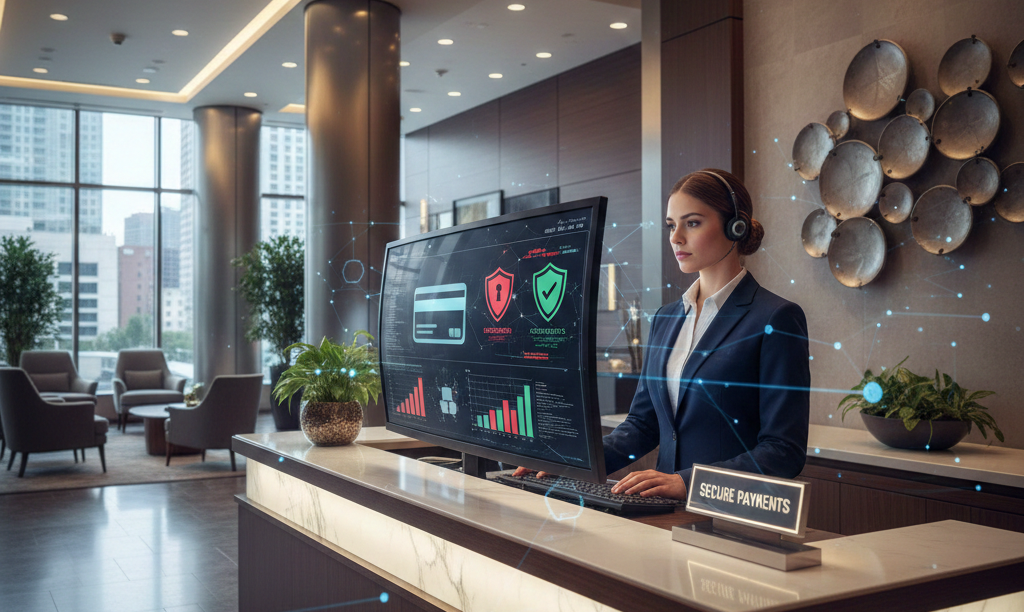
One major reason hotels are becoming prime targets is the nature of their business. Hotels handle a high volume of online bookings, guest data, multiple payment gateways, and OTA transactions, making them an attractive field for cybercriminals. Even a small security gap can lead to financial loss, chargebacks, damaged reputation, and loss of customer trust.
This is why hotels today must invest in strong fraud-prevention systems, smart automation, and secure technology tools. Solutions like advanced payment verification, real-time alerts, channel managers, and PMS integrations help minimize risks and ensure every booking is legitimate. A robust security strategy not only protects your revenue but also keeps your guests safe and confident while booking with you.
[ez-toc]Common Online Scams Targeting Hotels
As hotel businesses continue shifting to online bookings and digital payments, cybercriminals have found new ways to exploit vulnerabilities. Below are the most common online scams every hotel must be aware of—along with the risks they bring to your revenue and operations.
Fake Bookings & No-Show Fraud
Fake reservations are one of the most common scams in the hotel industry. Fraudsters use stolen credit cards or invalid payment details to secure bookings, especially during peak seasons.
Stolen Credit Cards
Cybercriminals often test stolen cards by making online hotel reservations. When the payment is later declined or disputed, hotels face chargebacks, penalties, and financial loss.
Last-Minute Cancellations
Scammers frequently cancel bookings at the last minute after blocking rooms for days. This prevents the hotel from reselling rooms and leads to lost occupancy and reduced revenue.
Impact on Revenue
No-show fraud and fake bookings disrupt forecasting, occupancy planning, and inventory distribution. Over time, these scams can significantly affect a hotel’s profitability, room revenue, and operational efficiency.
Chargeback Fraud
Chargeback fraud occurs when guests dispute legitimate payments to get a refund—often intentionally.
Guests Claiming Unrecognized Transactions
Some guests submit false claims stating they did not authorize a hotel booking (even when they did). This forces hotels into lengthy payment disputes.
Intentional Disputes
In many cases, fraudsters stay at the hotel, enjoy the service, and later raise a dispute with their bank. This results in lost revenue, fees, and time spent on documentation.
Phishing & Identity Theft
Hotels frequently receive emails from OTAs, vendors, guests, and payment partners—which makes staff vulnerable to phishing attempts.
Fake Emails, Links & Requests
Cybercriminals send emails pretending to be booking partners, payment providers, or customers. These emails trick staff into clicking malicious links or sharing sensitive data.
Targeting Hotel Staff & Reservation Teams
Reservation teams, front-office staff, and revenue managers are common targets because they regularly handle guest information and payment details. A single mistake can lead to data breaches, system access, and identity theft.
OTA & Website Impersonation
Another growing threat is scammers creating fake versions of your hotel’s website or OTA listings.
Duplicate Listings
Fraudsters copy your hotel details, images, and description to create fake profiles. Guests book rooms through these fraudulent listings and lose money, while your hotel receives complaints or negative experiences you never caused.
Fraudulent Booking Pages Posing as Your Hotel
Fake websites look very similar to your official site, but payments go directly to scammers. This leads to brand damage, loss of trust, and significant booking leakage.
Payment Gateway Scams
With digital payments increasing, hotels also face scams involving manipulated or fake payment channels.
Manipulated Payment Links
Fraudsters send guests or staff fake payment links that look authentic. These links redirect funds to criminal accounts instead of the hotel.
Fake Payment Confirmations
Hotels often receive forged screenshots or emails showing “successful payments.” Without proper verification, hotels may confirm bookings without receiving any money.
Warning Signs of Fraudulent Bookings
Fraudulent reservations often look genuine at first, but there are several red flags that hotel staff should never ignore. Recognizing these warning signs early can help you prevent chargebacks, avoid fake bookings, and protect your revenue.
Mismatched Guest Details
One of the clearest signs of a suspicious booking is inconsistent or mismatched information.
Examples include:
-
Guest name not matching the credit card holder
-
Incorrect phone numbers or incomplete addresses
-
Email IDs with random characters
When these details don’t align, it’s a strong indication that the booking might be fraudulent.
Multiple Cards Declined
If a guest tries several different credit cards before the payment goes through, be cautious. This behavior is common among fraudsters testing stolen or unauthorized cards. Multiple failed attempts signal a high risk of:
-
Chargebacks
-
Fake reservations
-
Payment reversals
Hotels should always verify bookings that involve repeated card failures.
Overly Urgent Requests
Fraudsters often use pressure tactics to rush the booking process. You may notice:
-
Urgent requests to confirm the room immediately
-
Demands for fast check-in
-
Guests insisting on skipping normal verification steps
This sense of urgency is designed to prevent staff from double-checking details or validating payments.
High-Value Last-Minute Reservations
A sudden last-minute, high-value booking—especially from a new or unknown customer—can be a major red flag. Scammers frequently:
-
Book premium rooms
-
Reserve long stays
-
Add add-ons like airport transfers
They do this knowing hotels might prioritize quick confirmation over verification.
Suspicious Email Domains
Fraudulent bookings often come from unprofessional or unusual email addresses, such as:
-
Random numbers or letters (e.g., guest1234xyz@…)
-
Domains that don’t match the guest’s identity
-
Temporary or disposable email services
If an email looks suspicious, it’s worth verifying the booking before confirming.
How to Protect Your Hotel from Online Scams
With fraud attacks increasing across the hospitality industry, hotels must adopt a proactive security approach. Strong verification steps, secure payment processes, technology tools, and staff awareness can significantly reduce online scams and chargeback losses. Here’s how you can protect your property effectively.
Implement Strong Verification Steps
A reliable verification process is your first line of defense against fraudulent bookings. Hotels should always validate guest information before confirming reservations—especially during peak seasons or when handling high-risk bookings.
Verify Name, Email, and Contact Details
Cross-check guest information across booking platforms. Mismatched names, fake phone numbers, or suspicious email IDs often point to potential fraud.
Pre-Authorize Credit Cards
Using pre-authorization helps confirm whether the card is genuine and active. It prevents fake bookings, reduces no-shows, and protects your revenue from invalid card usage.
Request ID for High-Risk Bookings
For last-minute or high-value reservations, asking for an ID proof or business validation is a smart step. Honest guests don’t mind verification, but fraudsters usually back off.
Use Secure Payment Gateways
A strong payment system is essential to prevent credit card fraud, chargebacks, and fake confirmations.
PCI-Compliant Gateways
Always use trusted, PCI-compliant payment gateways to ensure that all transactions follow global security standards.
Avoid Manual Card Handling
Manual card entry increases the chances of errors and exposes sensitive payment data. A secure automated payment process reduces risk significantly.
Two-Factor Authentication for Payments
Add an extra layer of security by using OTP, 3D Secure, or two-step verification for online transactions. This protects both your hotel and your guests.
Reduce Fraud Using Technology
Modern technology tools can help hotels detect fraud early, track suspicious activity, and protect their online presence.
SaasAro Channel Manager for Secure OTA Connectivity
SaasAro ensures safe and real-time OTA connectivity, reducing risks of overbookings, fake inventory updates, and unauthorized access.
Property Management System (PMS) Security Features
A strong PMS helps protect sensitive guest data, maintains secure booking records, and ensures only authorized staff can access critical information.
Payment Automation Tools
Automated payment workflows reduce human errors, prevent fake payment confirmations, and ensure all transactions are securely validated.
Staff Training & Awareness
Even the best technology cannot replace a well-trained team. Regular training helps staff quickly recognize suspicious booking behaviors and avoid costly mistakes.
Identifying Suspicious Behaviors
Teach your reservation and front-desk staff to look for red flags like mismatched guest details, urgent requests, or repeated declined cards.
Avoiding Phishing Traps
Train staff to identify fake emails, harmful links, and fraudulent requests—especially those targeting OTA or payment emails.
Following Standard Payment Procedures
Every team member must follow proper SOPs for refunds, confirmations, and payment handling to ensure consistency and security.
Strengthen Website & OTA Security
Your hotel’s online presence must be well-protected to prevent impersonation, data theft, and booking fraud.
SSL Certificates
Ensure your website uses SSL encryption to protect guest information during online bookings.
Secure Booking Engine
Choose a trusted booking engine that supports secure payments, encrypted data, and fraud detection features.
Monitor Duplicate OTA Listings
Regularly check OTAs for duplicate or fake listings pretending to be your property. Quick action prevents scammers from stealing your bookings.
How Channel Managers & PMS Tools Improve Security
Modern hotel technology does more than streamline operations—it also plays a major role in fraud prevention, data protection, and booking security. Tools like a Channel Manager, PMS, and Revenue Management System (RMS) can significantly reduce the risk of online scams by automating processes and eliminating human errors. Here’s how they strengthen your hotel’s defense system.
Role of SaasAro Channel Manager
A strong channel manager like SaasAro enhances both security and efficiency across all your connected OTAs.
Real-Time Safe OTA Connectivity
SaasAro connects your hotel to all major OTAs through secure, encrypted, real-time API connections. This ensures your room rates, availability, and bookings are always updated safely without risk of unauthorized changes.
Prevents Overbookings & Fake Reservations
Fraudsters often exploit outdated inventory systems. With SaasAro’s centralized inventory control, you can:
-
Eliminate double bookings
-
Block suspicious or duplicate reservations
-
Minimize booking manipulation from external sources
This creates a safer booking environment and reduces fraud-related revenue leakage.
Role of a Good PMS
A Property Management System (PMS) is at the core of your hotel’s security strategy. It stores sensitive data, manages reservations, and validates transactions—all in one secure platform.
Centralized Secure Data
A PMS keeps all guest information, booking records, and payment details in a centralized, encrypted system, preventing data exposure or unauthorized access.
Fraud Detection Alerts
Many PMS platforms include intelligent alerts for:
-
Repeated card failures
-
Suspicious booking patterns
-
Unusual guest details
-
High-risk transactions
These warnings help your team verify cases before confirming bookings.
Transaction Tracking & Audit Trails
A PMS creates a complete trail of every action taken—payment entries, booking edits, cancellations, and staff activity.
This transparency helps:
-
Detect discrepancies
-
Prevent internal fraud
-
Resolve chargeback disputes with clear proof
Using a Revenue Management System (RMS)
A Revenue Management System doesn’t just optimize pricing—it also helps identify fraudulent or unusual activity based on booking and rate patterns.
Detect Unusual Pricing/Activity Patterns
An RMS monitors rate changes, booking spikes, and guest behavior in real time. If something looks suspicious—like sudden bulk reservations or abnormal demand—it alerts your team to take action.
Helps Prevent Manipulation
RMS systems minimize manual updates, reducing the risk of:
-
Unauthorized rate changes
-
Tampered booking data
-
Rate manipulation by scammers
This keeps your revenue strategy secure and consistent across all channels.
Additional Best Practices for Fraud Prevention
Beyond technology and verification steps, hotels must follow consistent security practices to stay protected from online scams. Building a strong internal policy, protecting guest information, and monitoring your systems regularly will help you stay one step ahead of fraudsters.
Create a Fraud-Response SOP
Every hotel should have a clear Fraud-Response Standard Operating Procedure (SOP).
This should include:
-
Steps to follow when a suspicious booking is detected
-
Who to report issues to (manager, finance team, or security partner)
-
How to document fraudulent cases
-
Guidelines for cancelling or blocking risky reservations
A well-structured SOP ensures your team responds quickly and consistently, reducing costly mistakes and improving security across all departments.
Maintain Guest Data Privacy
Protecting guest information is not just important—it’s a legal responsibility.
Hotels must ensure:
-
All personal and payment details are stored securely
-
Only authorized staff can access sensitive data
-
Guest records are never shared over email or unsecured platforms
Strong data privacy builds guest trust and reduces the risk of identity theft and cyberattacks.
Enable Multi-Factor Authentication for Staff Login
Multi-Factor Authentication (MFA) adds an extra security layer to your hotel systems.
With MFA:
-
Even if a password is stolen, unauthorized users cannot log in
-
System access is verified through OTP, email code, or authenticator apps
-
Sensitive hotel software stays protected from hacking attempts
This is one of the simplest yet most effective ways to secure your PMS, Channel Manager, CRM, and email accounts.
Regular Security Audits
Regular audits help hotels identify risks before scammers do.
Your audit checklist should cover:
-
Website vulnerabilities
-
OTA listing accuracy
-
Payment gateway security
-
Staff access levels
-
System performance and backups
Conducting monthly or quarterly security checks ensures your hotel remains compliant, safe, and ready to handle emerging fraud tactics.
Conclusion
Online fraud in the hotel industry is growing, but the good news is—it’s completely preventable with the right systems, processes, and team awareness. By identifying red flags early, tightening verification steps, and training your staff, you can significantly reduce the risk of fake bookings, chargebacks, and payment scams.
Modern technology tools like SaasAro Channel Manager, a secure PMS, and an intelligent RMS play a major role in strengthening your hotel’s digital security. These systems offer real-time OTA connectivity, data protection, automated payment validation, and advanced fraud detection—helping hotel owners operate with confidence and peace of mind.
The most important takeaway is this:
Fraud prevention is not a one-time task; it’s an ongoing strategy.
Review your processes, update your systems, and empower your team to stay alert. With the right mix of technology and smart operational practices, your hotel can stay protected, avoid revenue loss, and provide a safe booking experience for every guest.
FAQs
1. How can hotels identify a fraudulent booking early?
Hotels can spot fraud by checking for mismatched guest details, multiple declined cards, suspicious email domains, overly urgent requests, and high-value last-minute bookings.
2. What tools help prevent online hotel scams?
Channel Managers like SaasAro, secure PMS platforms, fraud-aware payment gateways, and RMS systems with activity alerts help reduce booking fraud and payment risks.
3. How does a Channel Manager improve fraud prevention?
A Channel Manager ensures safe, real-time OTA connectivity, prevents unauthorized changes, minimizes overbookings, and blocks duplicate or suspicious reservations.
4. Why is staff training important for fraud protection?
Well-trained staff can recognize red flags, avoid phishing attempts, follow standard payment procedures, and respond quickly using fraud-response SOPs.
5. What types of online fraud affect hotels the most?
The most common scams include fake bookings, chargeback fraud, phishing, identity theft, OTA impersonation, and manipulated payment confirmations.
6. How often should hotels conduct security audits?
Hotels should perform monthly or quarterly audits to check website security, payment systems, OTA listings, and staff access permissions to stay protected from evolving threats.