
Introduction
Starting a hotel isn’t just about providing rooms — it’s about building a long-term, profitable business. The hospitality industry continues to grow as travel demand increases, and well-managed hotels consistently generate strong revenue year after year. Whether you’re planning to open a boutique hotel, a resort, or a small budget property, the right strategy and systems can help you achieve steady occupancy, high guest satisfaction, and long-term financial stability.
Thanks for reading this blog!, Looking for professional help with your hotel listings?
👉 Sign up with SaasAro or call 75000-87037 today!
If you’d prefer to handle the listing yourself, keep reading and enjoy the complete blog below.
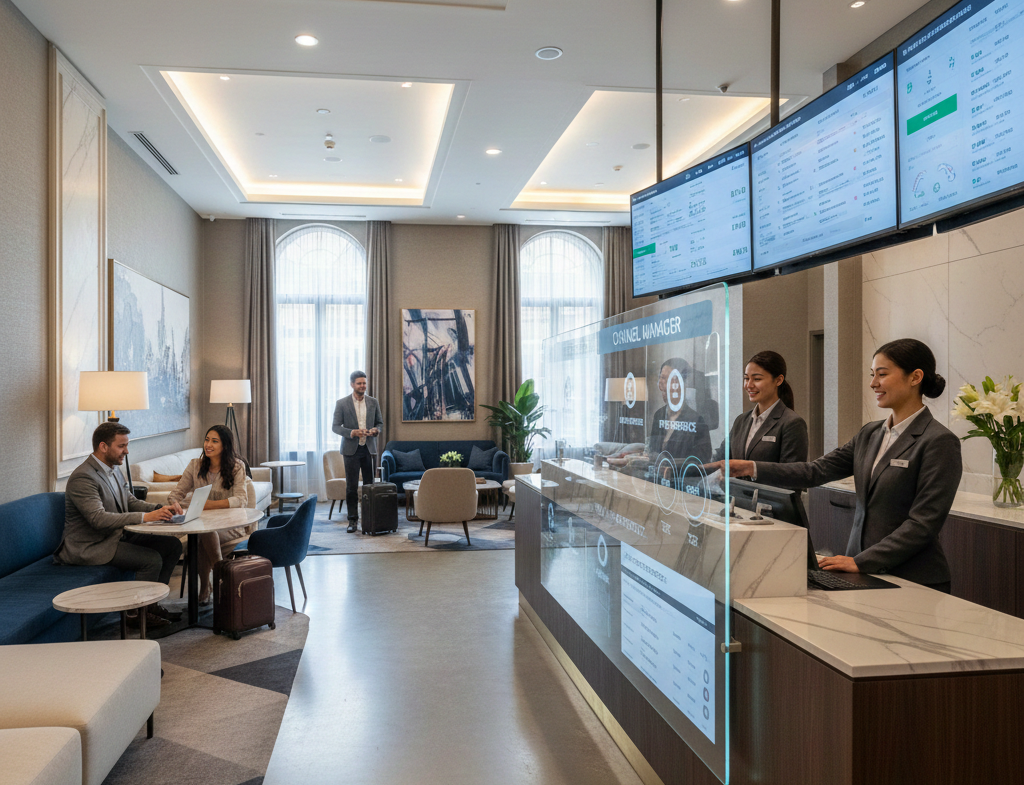
One of the biggest reasons hotel ownership is so profitable is the recurring income it offers. Travelers book daily, weekly, and monthly, giving hotel owners continuous revenue opportunities. With the right planning, smart marketing, strong operations, and effective pricing, a hotel can grow rapidly and outperform local competition.
This Hotel Business Guide will walk you through everything you need to start, run, and scale your property successfully — from the early setup to daily operations and long-term revenue growth. You’ll learn how to plan your hotel startup, streamline hotel operations management, and implement strategies that increase bookings and profitability.
Modern hotels rely heavily on technology — and using the right tools can transform your business. Solutions like the SaasAro Channel Manager, Property Management System (PMS), and Revenue Management System (RMS) help automate your operations, improve OTA connectivity, maintain rate parity, optimize pricing, and ultimately drive hotel revenue growth. These tools ensure your property runs smoothly, stays competitive online, and delivers a seamless experience to guests.
With the right foundation and technology, hotel ownership becomes not just a business — but a long-term, scalable, and rewarding investment.
[ez-toc]Understanding the Hotel Industry
Before starting your hotel business, it’s important to understand how the hospitality industry works. Hotels come in many categories, offer different business models, and operate in a fast-changing market shaped by digital travel behavior. Having a clear picture of the industry helps you make smarter decisions from day one.
Overview of Hotel Categories and Business Models
Hotels can be classified in several ways, depending on size, target audience, services, and pricing:
-
Budget Hotels – Affordable rooms, essential services, high occupancy-focused.
-
Mid-Range Hotels – Better amenities, family-friendly, comfortable stays.
-
Luxury & Premium Hotels – High-end services, premium pricing, exceptional guest experiences.
-
Boutique Hotels – Stylish, theme-based, personalized guest interactions.
-
Resorts & Leisure Properties – Focus on vacations, activities, and relaxation.
-
Business Hotels – Cater to corporate travelers with work-friendly amenities.
-
Hostels, Homestays, and Vacation Rentals – Budget-friendly shared or private stays.
Business models also vary:
-
Independent Hotels – Fully owned and managed by the hotel owner.
-
Franchise Hotels – Operate under a known brand by paying a franchise fee.
-
Management Contracts – A brand manages the hotel while the owner invests.
-
Lease or Revenue-Share Models – Suitable for operators who don’t own property.
Understanding which category and model fit your vision helps shape your investment, operations, and revenue strategy.
Market Trends: Digital Bookings & OTA Dominance
The hotel industry has shifted heavily toward digital booking platforms. Today:
-
Most travelers book online instead of walking in or calling.
-
Online Travel Agencies (OTAs) like Booking.com, Expedia, Agoda, and MakeMyTrip dominate global hotel bookings.
-
Travelers compare prices across multiple platforms before choosing a hotel.
-
Mobile bookings continue to grow every year.
-
Guests expect instant confirmations, real-time availability, and accurate prices.
This digital shift means every hotel — big or small — must stay visible and competitive across many OTAs. Tools like a SaasAro Channel Manager help maintain real-time inventory, avoid overbookings, and keep rates consistent everywhere.
Key Challenges for New Hotel Owners
Starting a hotel can be rewarding, but it also comes with challenges such as:
-
High Competition – Many hotels compete for the same audience in peak and low seasons.
-
Visibility on OTAs – Without the right strategy or technology, your listings may not appear on top.
-
Maintaining Rate Parity – Prices must match across all OTAs; otherwise, your ranking drops.
-
Operational Complexity – Managing staff, housekeeping, check-ins, guest requests, and finances can be overwhelming.
-
Seasonal Fluctuations – Demand rises and falls throughout the year, affecting revenue.
-
Poor Technology Setup – Without a good PMS or Channel Manager, errors increase and bookings decrease.
Understanding these challenges early helps you plan better and avoid costly mistakes.
How to Start a Hotel Business (Step-by-Step)
Starting a hotel may seem complex, but when you break it down into simple steps, the process becomes clear and manageable. Below is an easy-to-follow guide to help you move from idea to opening day with confidence.
Market Research & Location Selection
Before you invest money, you need to understand the market and choose the right place to build or operate your hotel.
Demand Analysis
Study how many travelers visit your area and why. Look at:
-
Tourism trends
-
Corporate travel activity
-
Seasonal demand
-
Upcoming events or local attractions
This will help you understand if your hotel can achieve good occupancy throughout the year.
Competitor Research
Analyze hotels already operating in the area:
-
What room types and prices do they offer?
-
What amenities attract their guests?
-
What are their strengths and weaknesses (check reviews)?
-
How do they manage their online presence and OTAs?
This research helps you identify gaps you can fill.
Ideal Location Factors
A perfect location directly improves bookings and revenue.
Look for locations that offer:
-
High footfall or easy access
-
Proximity to transport hubs (airport, bus stand, railway station)
-
Nearby tourist attractions or business hubs
-
Safe and quiet surroundings
-
Availability of parking
Good location = higher occupancy + better guest experience.
Define Your Hotel Concept
Your hotel concept determines your branding, investment needs, and target audience.
Budget vs. Boutique vs. Luxury
-
Budget Hotels – Low investment, essential services, higher occupancy.
-
Boutique Hotels – Stylish, theme-based, personalized experience.
-
Luxury Hotels – Premium amenities, top-tier service, high profit margins.
Choose your category based on market demand and investment capacity.
Target Guests
Identify who your ideal guests are:
-
Business travelers
-
Families
-
Couples
-
Backpackers
-
Long-stay guests
-
Tourists
This helps you design rooms, services, and pricing that attract the right audience.
Amenities & Service Style
Your amenities define your brand. Decide on:
-
Room types and interior style
-
Restaurant, café, or breakfast service
-
Wi-Fi, meeting rooms, parking
-
Pool, gym, spa (for premium properties)
-
Service approach: minimal, standard, or luxury service
A clear concept helps you stand out from competitors.
Budget Planning & Funding
Planning your finances early ensures a smooth and stable launch.
Startup Capital Required
Your initial investment may include:
-
Property lease or purchase
-
Construction or renovation
-
Furniture & interior setup
-
Technology setup (PMS, Channel Manager, RMS)
-
Licenses and approvals
-
Marketing and pre-opening expenses
Make a realistic budget based on your hotel size and concept.
Operational Cost Breakdown
Monthly expenses include:
-
Staff salaries
-
Utility bills
-
OTA commissions
-
Housekeeping supplies
-
Maintenance
-
Marketing & online promotions
-
Software subscriptions
-
Food & beverage costs (if applicable)
Understanding these costs helps you plan sustainable pricing and revenue goals.
Financing Options
You can fund your hotel through:
-
Personal savings
-
Bank loans
-
Investors or business partners
-
Government tourism schemes
-
Franchise partnerships
Choose an option that supports long-term growth and stability.
Legal Requirements & Licensing
Hotels must follow local regulations before opening to ensure safety and compliance.
Business Registration
Register your hotel as:
-
Proprietorship
-
Partnership
-
LLP
-
Private Limited Company
Choose a structure that suits your financial plan and tax preferences.
Local Authority Approvals
Depending on your location, approvals may include:
-
Building and construction permits
-
Fire safety clearance
-
Pollution control certificate
-
Tourism department approval
-
Local municipal permissions
Safety, Hygiene & Hospitality Compliance
Every hotel must meet:
-
Fire safety norms
-
Cleanliness and sanitation standards
-
Food safety regulations (if serving meals)
-
Guest data and privacy rules
-
Professional hospitality guidelines
Following these regulations ensures smooth operations and guest trust.
Setting Up Operations: Hotel Management Tips
Once your hotel is ready, the next big step is building smooth and efficient operations. Good operations ensure consistent guest experiences, better staff productivity, and higher revenue. Here’s how you can set up a strong operational system from day one.
Designing a Smooth Operational Workflow
To run a hotel successfully, you need a workflow that keeps every department connected and functioning without delays.
Front Desk Operations
Your front desk is the heart of your hotel. It handles:
-
Guest check-in and check-out
-
Room assignments
-
Guest inquiries
-
Payment processing
-
Resolving issues quickly
Make sure your front desk team is trained, polite, and able to work efficiently even during peak hours.
Housekeeping Management
Clean rooms create loyal guests. Ensure:
-
Daily cleaning schedules
-
Proper linen and laundry cycles
-
Room inspections before check-in
-
Quick turnaround for vacated rooms
-
Inventory tracking for cleaning supplies
A well-managed housekeeping team increases guest satisfaction and improves online reviews.
Guest Service Standards
Guest experience is what makes your hotel memorable. Set clear service guidelines:
-
Warm and professional communication
-
Quick response to guest requests
-
24/7 support availability
-
Personalized service where possible
-
Proactive problem-solving
Happy guests = better ratings + more repeat bookings.
Reservation Handling
Smooth reservation management prevents confusion and overbooking.
Ensure your team can:
-
Track online + offline bookings
-
Update rates and availability on all OTAs
-
Communicate booking details clearly
-
Handle cancellations and modifications
-
Avoid double-bookings
This becomes much easier when you use a modern PMS and Channel Manager.
Implementing a Property Management System (PMS)
A Property Management System (PMS) is essential for modern hotels. It automates daily operations, reduces errors, and helps your team work smarter.
Why Modern Hotels Need a PMS
Without a PMS, hotels face:
-
Manual entry errors
-
Overbooking issues
-
Slow check-in/check-out
-
Poor coordination between departments
-
Missing guest data and billing mistakes
A PMS solves these problems by centralizing all your operations in one system.
How SaasAro PMS Simplifies Daily Operations
The SaasAro Property Management System is designed to make hotel operations fast, smooth, and reliable. It helps you:
-
Manage reservations in one dashboard
-
Automate check-in and check-out
-
Track room status in real-time
-
Sync with OTAs using SaasAro Channel Manager
-
Manage billing, payments, and invoices without errors
-
Keep guest data organized and secure
-
Assign housekeeping tasks instantly
-
Reduce paperwork and manual entry
This means your team saves time, works more efficiently, and delivers a better experience to guests.
Centralized Reservations, Billing, Housekeeping & Guest Profiles
With SaasAro PMS, everything operates from a single system:
-
Reservations → Online, walk-in, and OTA bookings updated in real time
-
Billing & Payments → Automated invoice generation with zero errors
-
Housekeeping → Track room cleaning status and assign tasks instantly
-
Guest Profiles → Store guest history, preferences, feedback, and stay records
Centralization makes your hotel run like a well-organized machine.
Building a Strong Online Presence
In today’s digital world, most travelers search, compare, and book hotels online. That means your hotel must be easy to find, visually appealing, and professionally presented across all digital platforms. A strong online presence helps you attract more guests, increase direct bookings, and stand out from competitors.
Website & Booking Engine Setup
Your hotel’s website is your digital storefront — it should instantly impress visitors and make it easy for them to book a room.
Mobile-Friendly Website
More than half of hotel searches happen on mobile phones.
Your website should be:
-
Fast loading
-
Easy to navigate
-
Visually clean and modern
-
Optimized for mobile screens
-
Equipped with a clear “Book Now” button
A mobile-friendly website helps you convert more visitors into bookings.
SEO Best Practices
SEO (Search Engine Optimization) ensures your hotel appears when people search for stays in your area.
Focus on:
-
Using location-based keywords
-
Adding high-quality images
-
Writing detailed room descriptions
-
Keeping information updated
-
Publishing helpful blogs or guides
Good SEO = higher Google visibility + more organic bookings.
Direct Booking Advantages
Direct bookings are the most profitable for hotels. No commissions, more control.
Advantages include:
-
Higher profit margins
-
Ability to offer exclusive deals
-
Building stronger guest relationships
-
Capturing guest data for future marketing
With a smooth website + booking engine, you can reduce OTA dependency and grow your revenue.
Leveraging Online Travel Agency (OTA) Platforms
OTAs play a major role in hotel marketing and visibility. Even if you prefer direct bookings, OTAs help you reach thousands of potential guests daily.
Importance of Listing on OTAs
Platforms like Booking.com, Agoda, Expedia, MakeMyTrip, and Goibibo:
-
Increase your hotel’s visibility
-
Drive more bookings
-
Build trust with guests through reviews
-
Help small hotels compete with larger brands
Being active on major OTAs is essential for consistent occupancy.
Managing Room Rates, Availability & Reviews
To stay competitive, hotels must keep their OTA profile accurate and attractive.
This includes:
-
Updating room availability daily
-
Maintaining competitive pricing
-
Uploading clear room photos
-
Responding to guest reviews
-
Ensuring accurate policies and details
Consistent management helps boost your OTA ranking and attracts more guests.
Role of OTA Connectivity in Boosting Visibility
OTA connectivity ensures your hotel stays synced across all booking platforms.
With tools like the SaasAro Channel Manager, you can:
-
Update rates & inventory in real time
-
Avoid double-bookings
-
Maintain rate parity
-
Increase OTA visibility
-
Save hours of manual work
Better connectivity = higher ranking + more bookings.
Technology for Smarter Hotel Management
Modern hotels rely heavily on smart technology to save time, reduce errors, and maximize revenue. With the right tools, you can automate daily tasks, manage OTAs with ease, and make better pricing decisions. Technology not only improves operations but also enhances the guest experience and helps your hotel stay competitive.
SaasAro Channel Manager
Managing multiple OTAs manually is time-consuming and risky. The SaasAro Channel Manager helps you handle all your online bookings from one central system.
Real-Time Rate & Inventory Updates Across OTAs
Update your room prices and availability once — and it automatically syncs across every OTA like Booking.com, Agoda, Expedia, MakeMyTrip, Goibibo, and more.
This saves hours of effort and keeps your listings accurate.
Avoiding Overbookings
When a room is booked on any platform, SaasAro instantly updates your availability everywhere.
This prevents:
-
Double bookings
-
Guest dissatisfaction
-
Manual correction errors
Real-time syncing ensures smooth operations.
Centralized Control Panel for Easy Distribution
You can manage all OTAs from a single dashboard:
-
Set rates
-
Block rooms
-
Create promotions
-
Track performance
The centralized panel makes OTA distribution simple, fast, and efficient for your staff.
Revenue Management System (RMS)
A Revenue Management System helps you set the right price at the right time — meaning you earn more from every booking.
Dynamic Pricing
The system automatically adjusts your room rates based on:
-
Demand
-
Season
-
Events
-
Competitor pricing
-
Booking pace
Dynamic pricing keeps you competitive and helps you maximize revenue.
Forecasting Demand
An RMS analyzes trends and predicts future occupancy.
This helps you plan:
-
Rate changes
-
Promotions
-
Inventory allocation
-
Staffing needs
Better forecasting = better decision-making.
Maximizing Profitability & Hotel Revenue Growth
By using smart pricing strategies, you can:
-
Increase RevPAR
-
Boost occupancy
-
Improve overall revenue
-
Stay ahead of competitors
An RMS is essential for long-term hotel revenue growth.
Automation Tools for Efficiency
Automation makes your hotel faster, smarter, and more guest-friendly.
Automated Check-Ins
Guests can check in digitally using:
-
Mobile apps
-
QR codes
-
Self-check-in kiosks
This reduces waiting time and improves the guest experience.
Chatbots
AI chatbots help with:
-
Answering guest queries instantly
-
Providing hotel information
-
Handling booking requests
-
Offering 24/7 support
This reduces the load on your front desk team.
Payment Automation
Automated payment tools help you:
-
Collect payments securely
-
Reduce manual billing errors
-
Offer multiple payment options
-
Speed up check-out
Smooth payment processing creates a better guest experience and reduces staff workload.
Strategies for Hotel Revenue Growth
Increasing hotel revenue isn’t just about getting more bookings — it’s about making every booking more valuable, attracting the right guests, and building long-term relationships. With smart marketing and strategic pricing, you can boost your hotel’s profitability throughout the year. Here are some easy and effective strategies every hotel can use.
Upselling & Cross-Selling
Upselling and cross-selling help you earn more from each guest by offering valuable add-ons.
Upselling Ideas:
-
Room upgrades (premium view, bigger room, balcony)
-
Early check-in or late check-out
-
Breakfast packages
-
Airport pick-up
Cross-Selling Ideas:
-
Local tours
-
Spa services
-
Restaurant combos
-
Adventure activities
These offers enhance guest experience while increasing your revenue per booking.
Dynamic Pricing Strategies
Static pricing doesn’t work anymore. Travelers compare prices constantly, and demand changes every day.
With dynamic pricing, you adjust prices based on:
-
Season and holidays
-
Local events
-
Occupancy level
-
Last-minute demand
-
Competitor rates
Smart pricing ensures your rates stay competitive and helps you capture high-value bookings during peak demand.
Influencer & Local Partnership Marketing
Collaborations can give your hotel massive reach at low cost.
Influencer Marketing
Partner with:
-
Travel influencers
-
Bloggers
-
YouTubers
-
Instagram creators
Their content can bring attention, reviews, and credibility to your hotel.
Local Partnerships
Work with:
-
Travel agencies
-
Wedding planners
-
Event organizers
-
Nearby restaurants, cafes, or attractions
These partnerships help you attract more guests and build trusted local connections.
Retargeting Ads
Most people don’t book the first time they visit your website. Retargeting ads help you reconnect with them.
Through Google and Facebook retargeting, you can show ads to people who:
-
Visited your website
-
Checked your rooms
-
Added dates but didn’t book
Retargeting helps convert “interested visitors” into confirmed bookings.
Guest Loyalty Programs
A strong loyalty program turns first-time guests into repeat guests — which increases revenue without high marketing costs.
Offer:
-
Reward points
-
Exclusive discounts
-
Free upgrades
-
Birthday or anniversary offers
-
Member-only deals
Loyal guests trust your property, spend more, and recommend your hotel to others.
Hotel Operations Management for Scalability
As your hotel grows, managing operations becomes more complex. To scale successfully, you need strong systems, well-trained staff, and data-driven decision-making. When operations run smoothly, your hotel can handle more guests, improve service quality, and increase profitability without stress. Here’s how to build scalable hotel operations.
Staff Training & Service Quality Improvement
Your staff plays the biggest role in shaping guest experience. Well-trained employees can handle guests confidently and maintain consistent service even during peak seasons.
Focus on:
-
Professional communication
-
Grooming and hospitality etiquette
-
Handling complaints politely
-
Quick response to guest requests
-
Knowledge of hotel facilities and services
Regular training boosts productivity, improves guest reviews, and supports long-term scalability.
Standard Operating Procedures (SOPs)
SOPs are step-by-step guidelines that help your team do their tasks consistently and correctly.
Why SOPs matter:
-
Reduce confusion and errors
-
Maintain uniform service quality
-
Speed up staff onboarding
-
Ensure smooth operations across all departments
-
Help maintain brand standards as your hotel grows
Create SOPs for front desk, housekeeping, F&B, maintenance, and reservation workflows.
Using Analytics & Reports from PMS/RMS
Data is the backbone of scalable hotel management. Your Property Management System (PMS) and Revenue Management System (RMS) provide valuable reports that help you make smarter decisions.
Key analytics to track:
-
Occupancy trends
-
Price performance (ADR, RevPAR)
-
Guest booking patterns
-
Channel performance (OTAs vs direct bookings)
-
Staff productivity
-
Housekeeping turnaround time
Using these insights, you can plan promotions, adjust pricing, improve operations, and grow your business strategically.
Cost Control Techniques
Scaling a hotel doesn’t only mean increasing revenue — it also means managing expenses smartly.
Cost control ideas:
-
Monitor energy usage (LED lights, smart AC controls)
-
Reduce wastage in laundry and housekeeping supplies
-
Purchase inventory in bulk for better rates
-
Track food cost percentages in F&B
-
Use automation to reduce manual work
-
Avoid unnecessary staff overtime
Efficient cost management helps you improve profit margins and reinvest in growth.
How to Grow Your Hotel Business (Scaling Stage)
Once your hotel is running smoothly and generating steady revenue, it’s time to think about growth. Scaling your hotel business helps you increase profits, build a stronger brand, and capture a larger share of the market. Growth can happen in different ways — from adding more rooms to expanding into new cities. Below are the best strategies for scaling your hotel business.
Expanding Rooms
If your current property performs well and has high occupancy, increasing the number of rooms is the easiest way to grow.
When to expand:
-
You’re regularly fully booked during peak seasons
-
Guests request rooms that aren’t available
-
Your area has increasing demand
-
You have extra space on your land
Benefits:
-
Higher total revenue
-
Better economies of scale
-
Ability to attract larger groups and events
Room expansion is a strong step toward long-term growth.
Opening Multi-Location Properties
Once you master operations at a single property, you can expand into new locations.
How to choose the next location:
-
High tourism or business travel demand
-
Limited competition in your category
-
Good accessibility and infrastructure
-
Local government support for hospitality
Advantages of multi-location expansion:
-
Builds your brand presence
-
Allows cross-selling between properties
-
Increases market share
-
Diversifies your revenue sources
Opening new branches turns your hotel into a growing chain.
Franchise Opportunities
If you want to grow faster without handling every property yourself, franchising is a powerful strategy.
How franchising helps:
-
Other investors build or operate the property
-
You provide branding, training, and guidelines
-
You earn royalty or franchise fees
-
Your brand expands to more cities quickly
This model is ideal for established hotels with strong branding and standard operating procedures (SOPs).
Leveraging Technology for Multi-Property Management
Managing multiple hotels becomes easier when you use modern hospitality technology.
Software like SaasAro PMS, SaasAro Channel Manager, and Revenue Management Systems help you:
Benefits of tech-driven multi-property management:
-
View performance of all properties in one dashboard
-
Sync room rates and availability across all OTAs
-
Maintain consistent service standards
-
Compare revenue and occupancy between properties
-
Automate daily operations
-
Reduce staff workload and manual errors
With the right technology, even a small hotel can grow into a multi-property brand smoothly and efficiently.
Conclusion
Starting a hotel business may feel overwhelming, but with the right approach, it becomes a rewarding and profitable journey. From choosing the right location to building a strong online presence and managing daily operations, every step plays an important role in shaping your hotel’s success.
The key takeaway is simple:
Start strong, manage smart, and grow strategically.
By planning carefully, training your staff, setting up solid SOPs, and using data to guide decisions, your hotel can achieve stable growth and long-term profitability.
In today’s digital age, technology is no longer optional — it’s essential. Tools like the SaasAro Channel Manager, SaasAro PMS, and Revenue Management System (RMS) help you automate operations, improve OTA performance, maintain accurate rates, and maximize revenue. These systems give you more control, reduce workload, and create better guest experiences — all of which are crucial for long-term success.
FAQ’s
1. How do I start a hotel business for the first time?
Begin with detailed market research, choose the right location, define your hotel concept, plan your budget, secure funding, and complete all legal approvals. Strong operations and the right technology will help you launch smoothly.
2. Why is choosing the right location important for hotel success?
Location affects occupancy, visibility, and guest convenience. Hotels near transport hubs, tourist attractions, or business centers get more bookings and higher long-term revenue.
3. What technology do I need to manage my hotel efficiently?
Modern hotels rely on tools like a Property Management System (PMS), Channel Manager, and Revenue Management System (RMS) to automate operations, sync OTA bookings, optimize pricing, and improve guest experience.
4. How can I increase hotel revenue throughout the year?
Use dynamic pricing, upselling, cross-selling, retargeting ads, loyalty programs, and strong OTA visibility. You can also partner with influencers and local businesses to attract more guests.
5. What are the biggest challenges for new hotel owners?
Common challenges include OTA competition, maintaining rate parity, managing operations manually, seasonal demand fluctuations, and delivering consistent service without proper training or systems.
6. How can I scale my hotel business after it becomes stable?
You can expand rooms, open multi-location properties, explore franchising, and use technology like SaasAro PMS & Channel Manager to manage multiple properties efficiently from one dashboard.